In northern Australia the behaviour of a crocodile can be altered in short order by the onset of heavy rain, rising rivers and flooding that put a new shape on waterways. Between November and April one will find them in places that seem innocuous from the bank, be it an urban water system, estuary, creek or a flooded billabong and drainage line.
Put simply, the wet weather affords a crocodile greater access to food and cover, as well as more routes. It is not to say they are all turned aggressive, but old haunts can turn into risk zones you do not recognise. Rhys McDonald has some insight on what people get wrong, the distinction in the way saltwater and freshwater crocs act and how to be croc-wise once the rains set in. For more croc safety guidelines northern Australia, follow practical advice before heading out.
An Explanation of Wet Season Behaviour
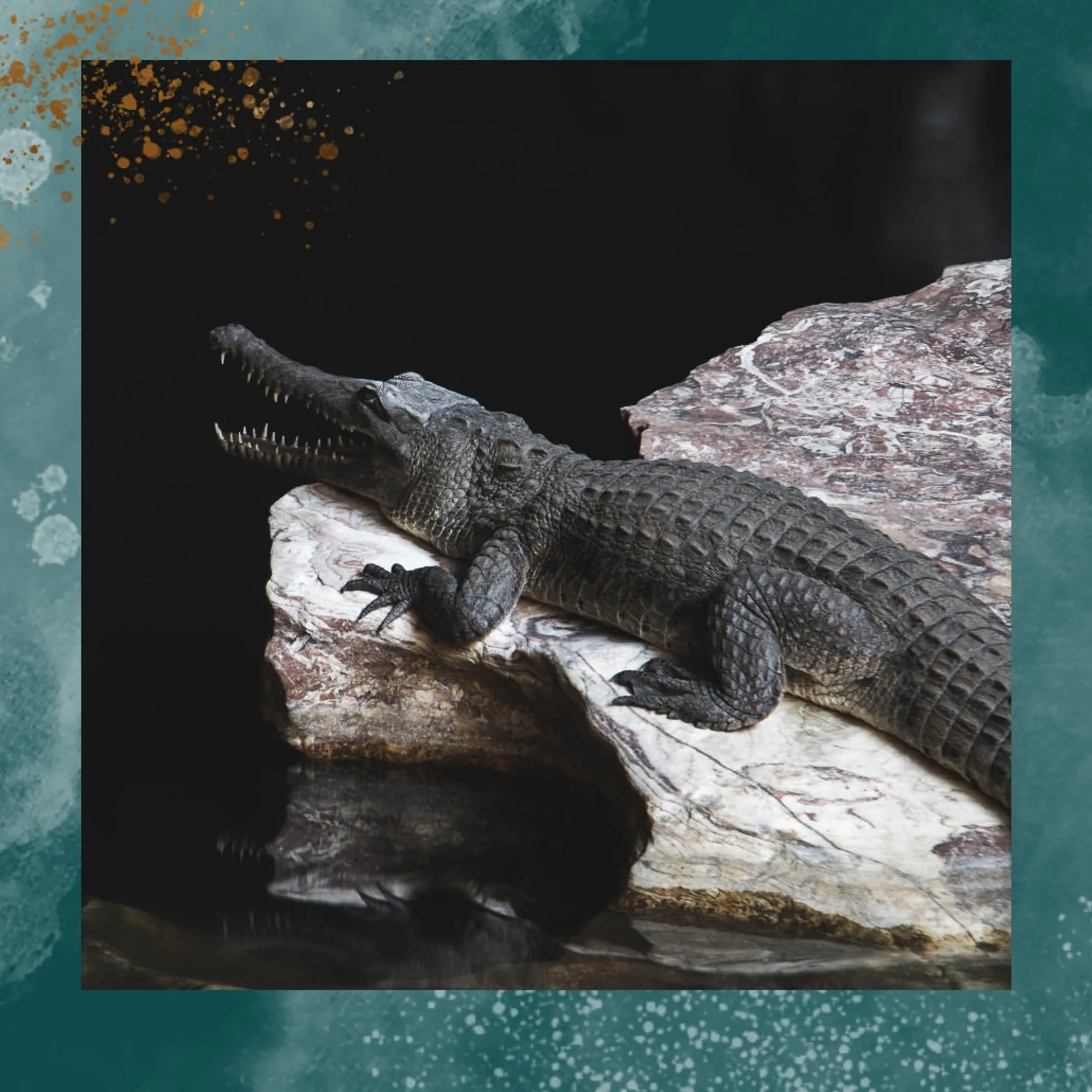
The Top End, Kimberley, Far North Queensland and the Northern Territory see their waterways expand under the heat and rain of the wet season, which in turn dictates where crocodiles go, their hunting patterns and encounters with the public.
A lagoon or floodplain may be joined to a river by floodwater. There is no requirement for a crocodile to have a well defined channel so long as there is depth for cover and a path to its meal; nature has little regard for council boundaries.
When You Will See Them
Crocodiles are active year round yet the wet season presents more to feed on and room to move. The warmth of the day encourages this and the water level may put new hunting grounds within reach.
As for when they are most active, expect to see it around dawn and dusk and at night, though daylight hours are no guarantee of safety. To think of midday as being free of crocodiles is not a sound plan.
What Drives Them to Go Further
It is the habitat that changes, not some switch being thrown, that accounts for wet season activity. A dominant male will hold his own on a good stretch of river, but sub-dominant and younger ones will put in more miles after a flood in search of food and room to themselves. They might even make for some temporary wetlands or grasslands.
New Routes Made By Flooding
Do not be surprised if a crocodile in floodwaters is found where there has been no recent report of one. It may not have crossed any dry ground; the water has done the travelling for it. A culvert by the road or a low park can be made part of a larger waterway.
How far an individual goes is a matter of geography, territorial pressure and the like. There is no rule of thumb that says inland floodwater is safe.
Habitat Altered By Flood
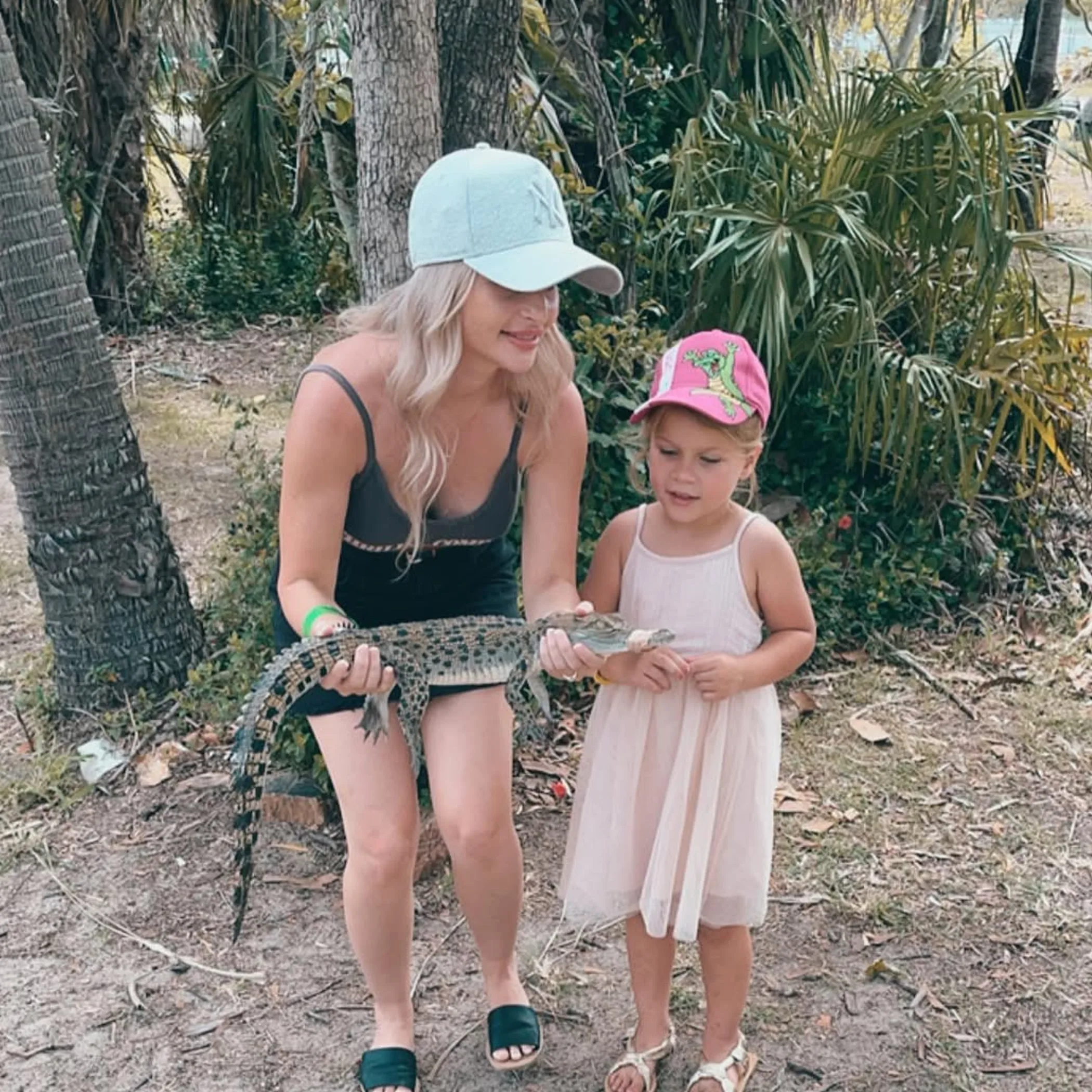
With the banks gone and channels run together, submerged vegetation offers a crocodile a place to lie in wait where you would have thought the water was open. One should assess the entire connected landscape for your own safety rather than the water immediately before you. A pool by the side of the road may look quiet but could be in communication with a wetland or river some distance off.
Risk According to Location
| Location | Wet-season change | Practical concern |
|---|---|---|
| Rivers and billabongs | Banks are wider, flow is faster and levels are up | Swimming spots that were once isolated are not |
| Estuaries and tidal creeks | Tides and debris are mixed with pulses of fresh water | Access and visibility can be different in an hour |
| Drainage lines and culverts | Heavy rain makes for a temporary link | Routes near walking tracks and homes are used |
| Floodplains | Shallow water takes over the low ground | Murky water is cover for animals to leave the main channel |
For six months or so in the north of Australia the wet season is upon us. Then again conditions can be anything; a week of relative calm followed by a major storm and the waterway is rough as guts.
On Breeding And Nesting
There is also the matter of breeding season. Saltwater crocs can be more territorial as they vie for mates and habitat. A female will put up a defence of her nest and the area about it. She will not necessarily come after you but it is wise to keep your distance from any crocodile or odd mound you come across by the water.
Space for the Nesting Female
While the nesting season in Australia will differ according to region and species, one can expect most of the activity to coincide with the warmer part of the wet-season cycle. A female might put down a nest on high ground or the edge of a floodplain where there is vegetation, all in proximity to water.
An animal that is ordinarily quiet can become quite defensive and on edge when it has to guard its eggs and nest. This is where dogs are at risk; they have a way of going to the water’s edge to put their nose to some scent without appreciating the danger.
The mistake many make is to think a small crocodile presents a small measure of risk. It may be near larger adults, and a sudden attack over a short distance is within the capability of any of them.
The Dangers of Murky Water
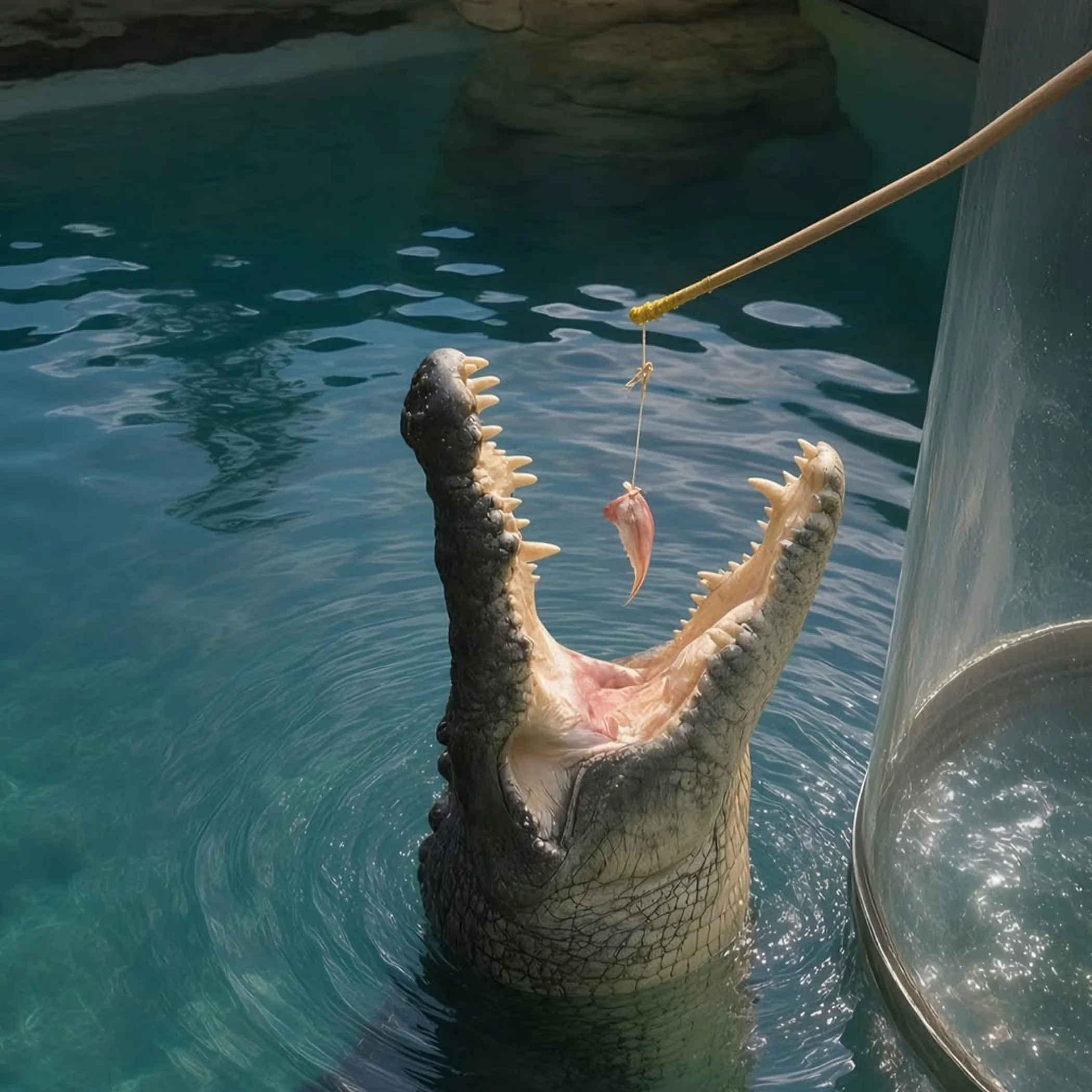
There is a loss of information in murky water and that is what makes it hazardous. You cannot see what is under the surface, be it hazards or a crocodile, thanks to turbidity, debris or floating vegetation.
In my experience offering practical travel advice I have found folk to be more concerned with wildlife they can see than conditions they cannot. One can understand that, yet a clear bank gives no indication of what is going on beneath the floodwater.
Ambush and Low Visibility
To conserve energy and remain undetected, a crocodile will hunt by ambush. Floodwaters give them further cover among reeds, logs and steep banks. They will lie still, eyes and nostrils being the only thing you can make out, and in poor light or rough weather even those are hard to spot. Do not be led to believe an area is safe to swim in just because the water is clear.
Hazards Brought on by Weather
A person in floodwater is confronted with more than one hazard, from strong currents and lightning to unstable banks and falling branches; the crocodile is perhaps the one you are least likely to see from shore.
When there are cyclone warnings or the heavy rain that comes from November through April, heed the waterway signs and any local closures. There is no point in walking a flooded bank for the sake of a photograph; it is not going to thank you for it.
Saltwater and Freshwater
One should be cautious of either, though in terms of size, habitat and the like they are different. The saltwater (Crocodylus porosus) is present in tidal waterways as well as freshwater across the north of Australia.
You may not see so many attacks from the freshwater variety but they are wild animals with jaws to match. Do not let the species dictate your decision to wade into an unapproved waterway.
Patterns of the Saltwater Crocodile
These are to be found in estuaries, coastal wetlands, rivers, billabongs and the floodwaters of such systems. A large adult will hold a wide territory, younger ones will disperse if put upon by their elders. Tidal movement will see them in creeks and coastal drainage. Should you come across one in a populated area, treat it with due seriousness regardless of its size or distance from the river.
Freshwater Crocodiles
They are at home in lagoons, rocky streams and inland rivers. A flood will put them in places people do not normally encounter them. But do not confuse freshwater with being free of risk; it is merely a description of the species and its habitat. For where you can and cannot swim, the local authorities and their signage are the best guide.
Sightings
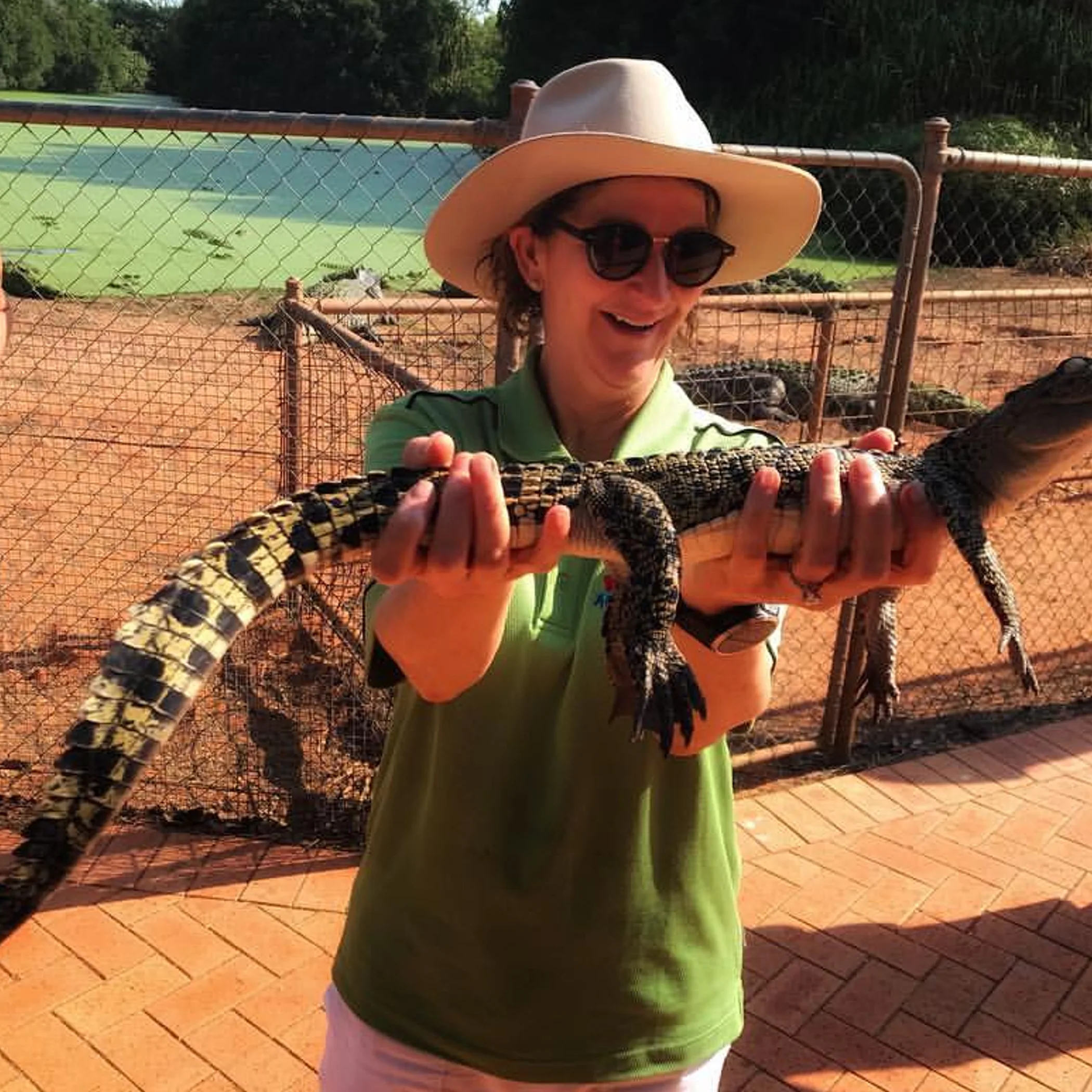
The wet season brings sightings in remote rivers and in towns. In urban settings it is more common once natural waterways and flood channels are in communication with the drainage network.
Respect the river mouths and floodplains in the Kimberley and Far North Queensland. Those in the Northern Territory would do well to be mindful of the Top End and the Katherine River as well as the low-lying country around communities.
Reading The Local Landscape
Make a mental map of the landscape before you get to the water. Note the nearest signed swimming area, the main creek, the drains and any marks of recent flooding.
If you are in a car, use the marked track to get back and do not park anywhere but the designated spot. With a tinnie you should only launch where you are supposed to and have the children and dogs well clear of the edge.
Do not be under the impression that a short walk from the car park is without risk; the tracks can be slippery and closer to a flood channel than you would like.
Northern Australia: Some Guidelines
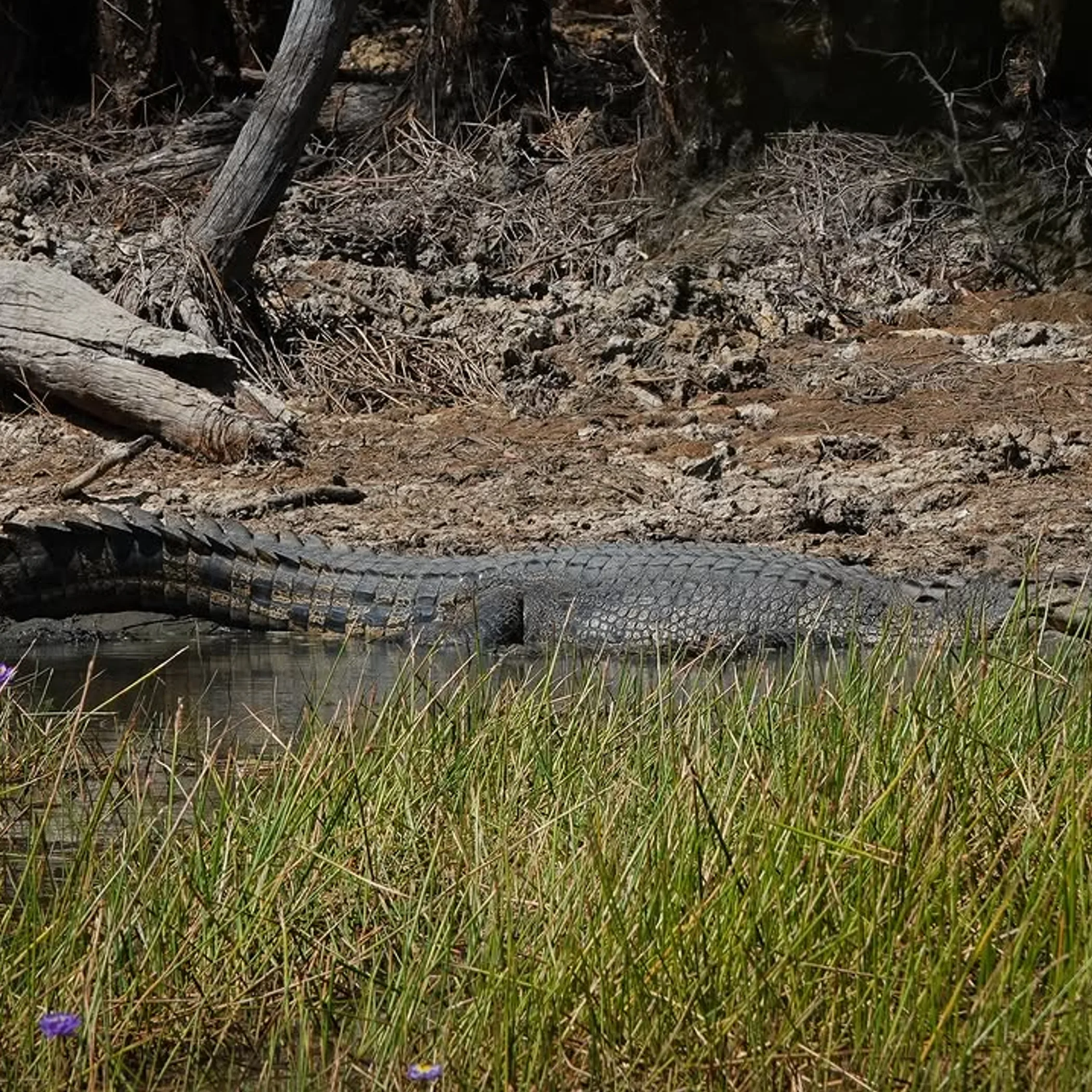
The Be Crocwise NT safety guidance is worth a read along with whatever the wildlife authorities have to say. The practice is simple: unapproved water is to be considered unsafe, stay off the edge and follow the signs.
The principles of croc safety in northern Australia are to be heeded no matter if one is at a remote billabong, by the Katherine River or fishing an estuary. Do not mistake familiarity for being safe.
Quick Waterway Checklist
- Confine swimming to areas that are signed and safe; all closures must be observed.
- When you are near a bend, ramp or any steep bank, put some distance between yourself and the water’s edge.
- Make sure children and dogs are with you and do not allow them to go to the water on their own.
- Unapproved water is not for standing on low banks, wading, washing up or making for firewood.
- Put food, bait and fish offal well clear of the edge.
- In the wake of a cyclone, flooding or hard rain, heed any local warnings.
There is no such thing as a “safe distance” which will make an unapproved waterway amenable to swimming. You have to take into account tides, visibility, what species are about and how the local crocodiles are behaving.
After A Sighting
Calmness is called for when there is a sighting in a populated spot, not a gathering of onlookers. Put some space between yourself and the water and hold others back. From where it is safe, make a note of the time, location, size and way it is travelling.
One does not need to get in the animal’s face for a photo, nor should objects be thrown or attempts made to put it back in the water. Should danger be imminent, call the emergency service or the wildlife authorities in your area.
Report It Without Taking Risks
- Get off the bank and see that visitors, dogs and children are led away.
- Take stock of the tide, flood conditions, access points and landmarks as well as the direction of the crocodile.
- Put in a report via the appropriate state or territory wildlife channel and comply with any warning or closure that is put in place.
I see it time and again: people will hang about the water to get a better read on things. There is no requirement for a flawless report. “Large crocodile by the boat ramp” is of more use than a close-up from three metres away that is bound to be shaky.
Plan for Wet Conditions
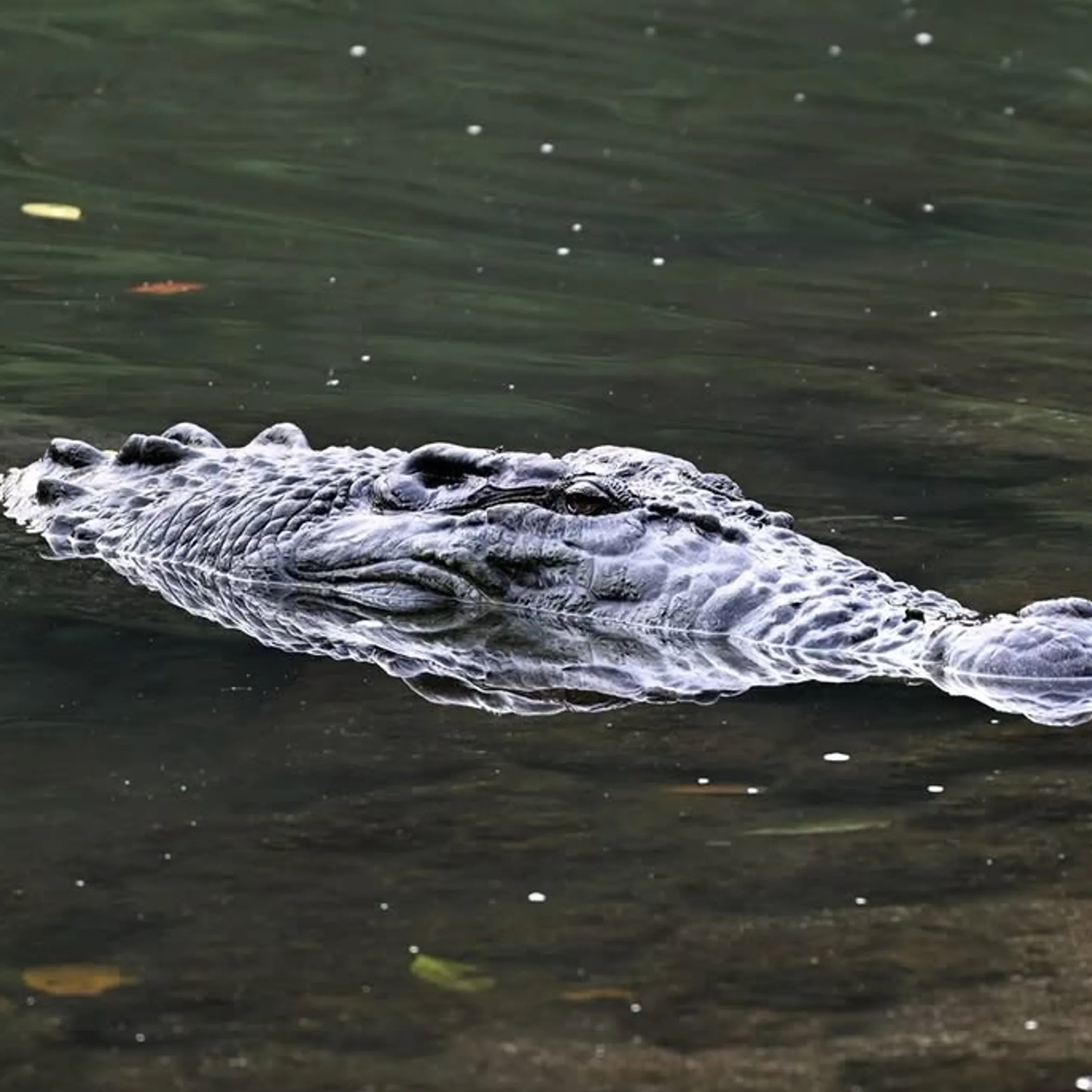
A trip north need not be scuttled for the wet season, but it is a good reason to alter plans and take it easy. After heavy rain the roads, river access and tracks to campsites can be very different.
For a one day outing, stick with an officially run visitor area that has the proper signage and facilities. Do not base the day on a swim of convenience or an informal track out on the floodplain.
For Those Who Should Be More Cautious
This is relevant to anyone who makes time for the waterways of the north, be they anglers, photographers, families or locals. An uninitiated person would be well advised to steer clear of unsupervised access, in poor visibility or where there are no signs to the contrary.
Those with mobility issues ought to look at the state of the bank and track and what evacuation options exist before coming out. The mud in the wet season will make short work of a walk and leave one tired; a mozzie infested drama by a flooded creek is not worth the effort.
Frequently Asked Questions
Before going to the waterways in the north these are the usual questions. The answer is rarely the most exciting but it is the safest: don’t go into unapproved water and follow what the locals say.
Is rain a factor in crocodile activity?
It can be. By opening up the floodplains and joining up waterways it affords more feeding and movement. Not every crocodile becomes aggressive but it does make their whereabouts less of a given.
What draws them to urban waterways?
With higher water levels a crocodile in the north may take advantage of the link between habitat and the city via a channel, drain or creek.
Where will they be in a flood?
They could be in the river or in a connected drainage line and billabong, or sheltering by some vegetation. The floodwater will conceal their movements so do not be under the impression an area is safe because you cannot see the main river.
More so with nesting crocodiles?
Near a nest or young a female or territorial adult will be defensive of its habitat. Keep your distance from the bank and do not go looking at a mound or the animal.
Can one safely swim in the wet season?
Only in an open and properly signed safe area. Do not be swayed by the fact the water is clear or there are other swimmers around.
Use Your Judgment
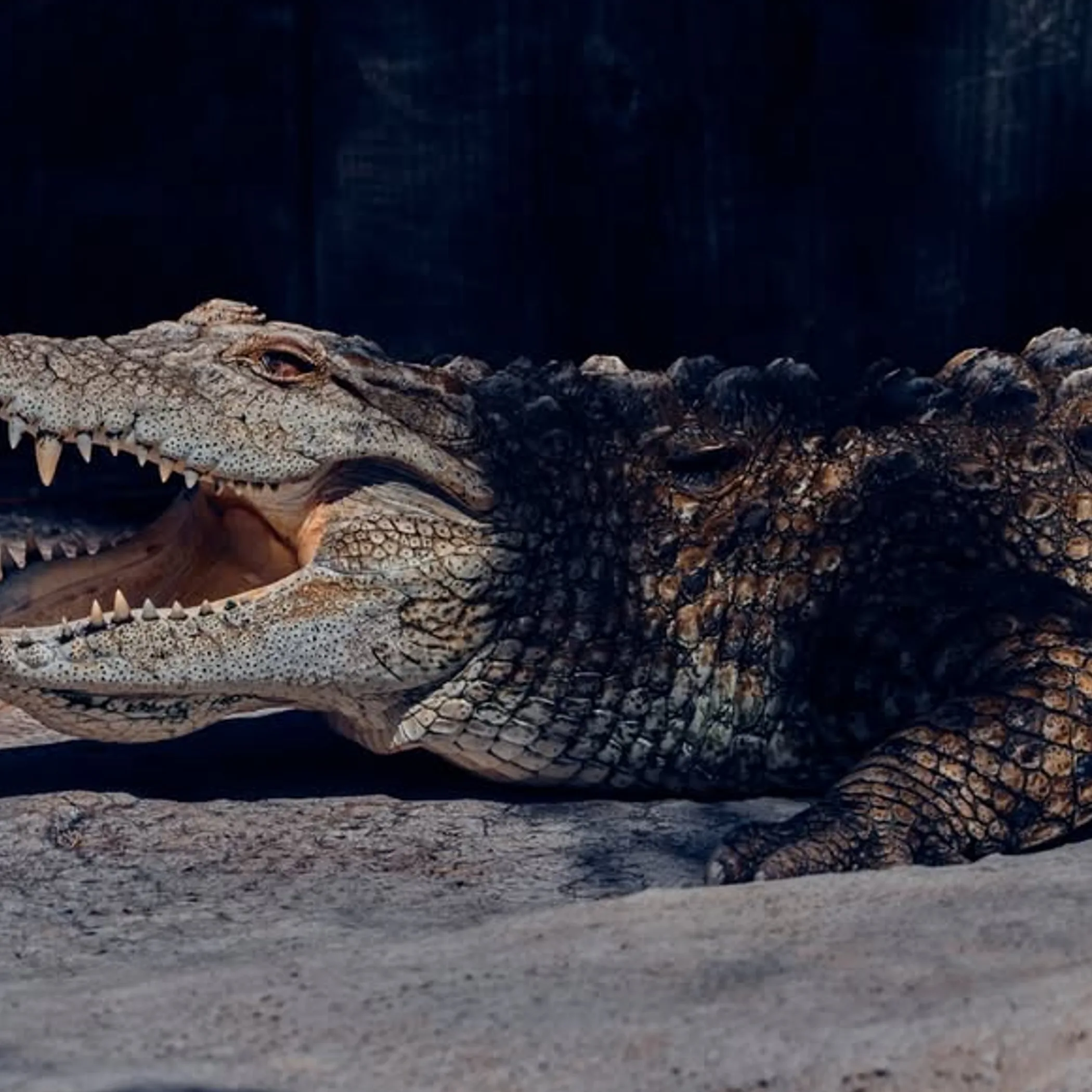
Water, heat and the need to breed and put food on the table are what dictate crocodile behaviour in the north during the wet season. When there is flooding, habitat is extended and they can be found closer to public recreation, homes and the road.
Rhys McDonald would have it simply: respect the closures, read what the signs say and consider any connected waterway as crocodile country. A sensible plan and a charged phone will be rewarded in the wet season. It is not a time for those who fancy a quick dip.