Kakadu: When to Go
Kakadu National Park is at its most accessible in the dry season from May through October; the roads are to be relied on, the humidity has abated and getting to the main sights is less of an ordeal. Put in an appearance between November and April if you want to see the storms and waterfalls in all their drama and have the place to yourself, though one should be prepared for sticky conditions, road closures and flooding that will necessitate a bit more forethought.
I am Rhys McDonald. I put down travel advice for those who prefer to make the most of a location instead of using half their trip to realise they have brought the wrong pair of shoes. With Kakadu covering some 20,000 square kilometres of the Top End in the Northern Territory, the season you pick is not merely a matter of what shirt you wear. It dictates how much time you have to spare, where you can drive and what is on view.
A Quick Look at Kakadu
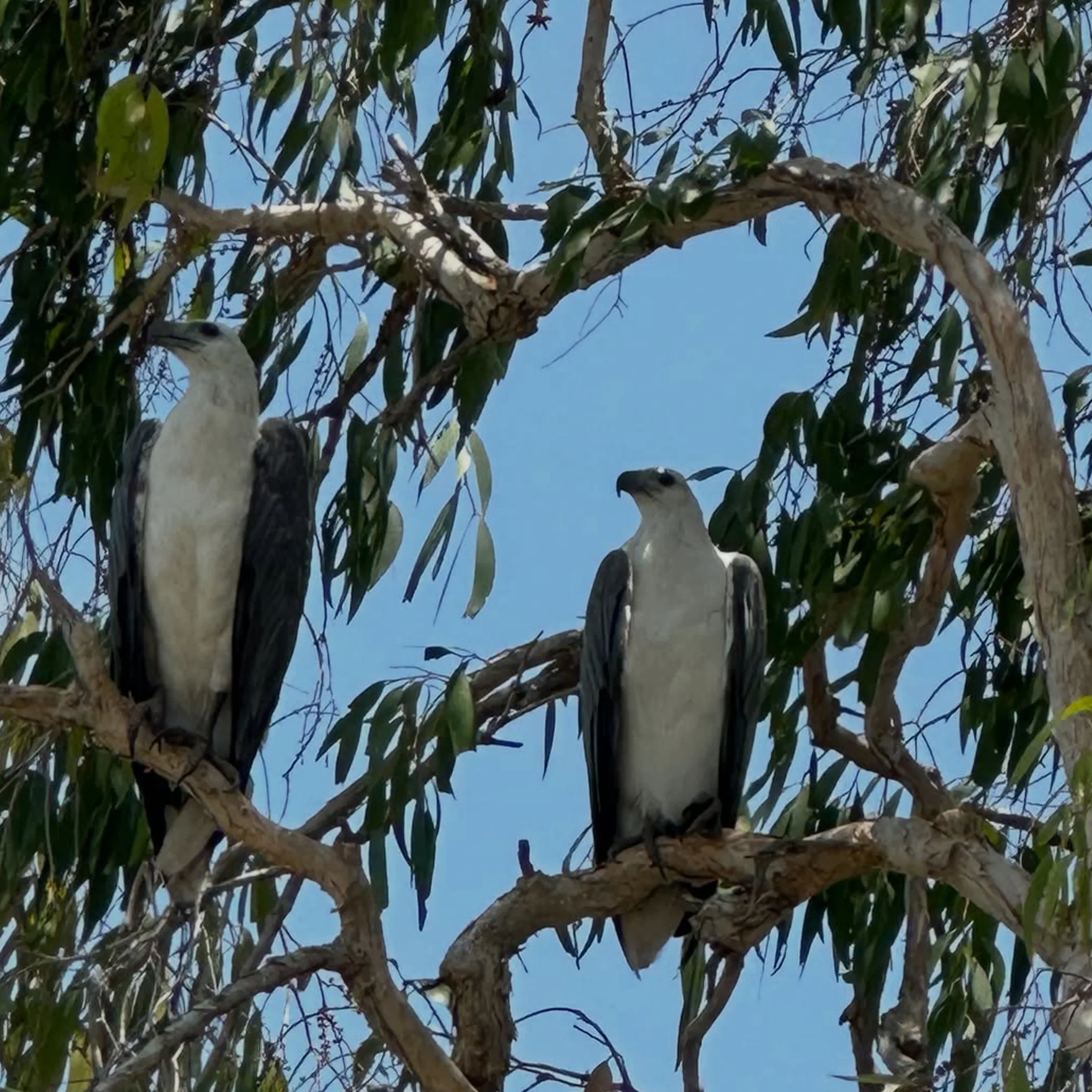
One could say the park’s seasons fall into three camps: the wet, the dry and the build-up in between. A first timer will find the dry the simplest way to go; the wet is for the more seasoned traveller willing to let his plans be dictated by circumstances.
There is no ideal month for all. What makes for the best visit in Kakadu is a question of priorities: do you want open roads and birdwatching or perhaps dramatic skies and a respite from other visitors? See Jabiru Kakadu experiences for more ideas.
| Season | Typical months | What you will find | For whom |
|---|---|---|---|
| Dry season | May – October | Better access to the roads, cooler nights, warmer days and less humidity | Those self-driving or camping, and anyone making their first visit |
| Build-up season | Oct – Nov | Thunderstorms, the humidity starts to climb and access is variable | Photographers and the like who are flexible |
| Wet season | Nov – April | Road closures, heavy rain and storms | Birdwatchers, guided tours and anyone after the waterfalls |
Three days is the minimum for most. But if you want to fit in Ubirr, Nourlangie and Yellow Water as well as a decent length walk without the entire holiday being spent behind the wheel, four or five is better.
The Dry Season in Kakadu
From about May to October the dry season is the unproblematic time to be in Kakadu. You will see less rain and the tracks put in by the wet season become firm once more. Mid-day heat is not uncommon but it is made bearable by the lack of humidity. Camping can bring a coolness to the night you did not expect; the tropics like to play fast and loose with your wardrobe so have a few shirts to hand.
Why opt for the dry
It is the season for a reliable schedule. Flooding or storm damage is unlikely to force a change of plans when you head out to the rock art at Ubirr or Nourlangie, or for a spot of photography and wildlife around the billabongs. The country may appear drier than you think but water is still the heart of the cultural story here.
June to August will see a rise in numbers, school holidays included, and you may find the good accommodation and tours are already spoken for. For something quieter try May or September/early October, provided you have checked on access beforehand.
But there are trade-offs
Do not assume the dry season is effortless. Some of the attractions are a long way off over corrugated roads and a high-clearance 4WD is called for in remote spots; a standard hire car is no substitute even if the rental company would have you believe otherwise. And walking in the sun is hard work. Make sure you have enough water for longer walks and set off early. Take the marked paths and heed the ranger. As for mosquitoes, they will not be put off by your holiday.
Camping is fine in the dry but make your reservations in advance and take a torch and insect repellent and something warm for the evening.
When the Wet Comes
November to April brings the monsoon and with it the wet season. Billabongs and creeks are filled to bursting and you get the year’s finest waterfalls. Then again it is the most capricious time to be in the park. A thunderstorm will come on in a hurry and some walking is off limits for safety while others roads are shut due to the flood waters. There is no substitute for an itinerary with some give to it, all the more so when one is behind the wheel as opposed to on a guided tour.
What you will find in the wet
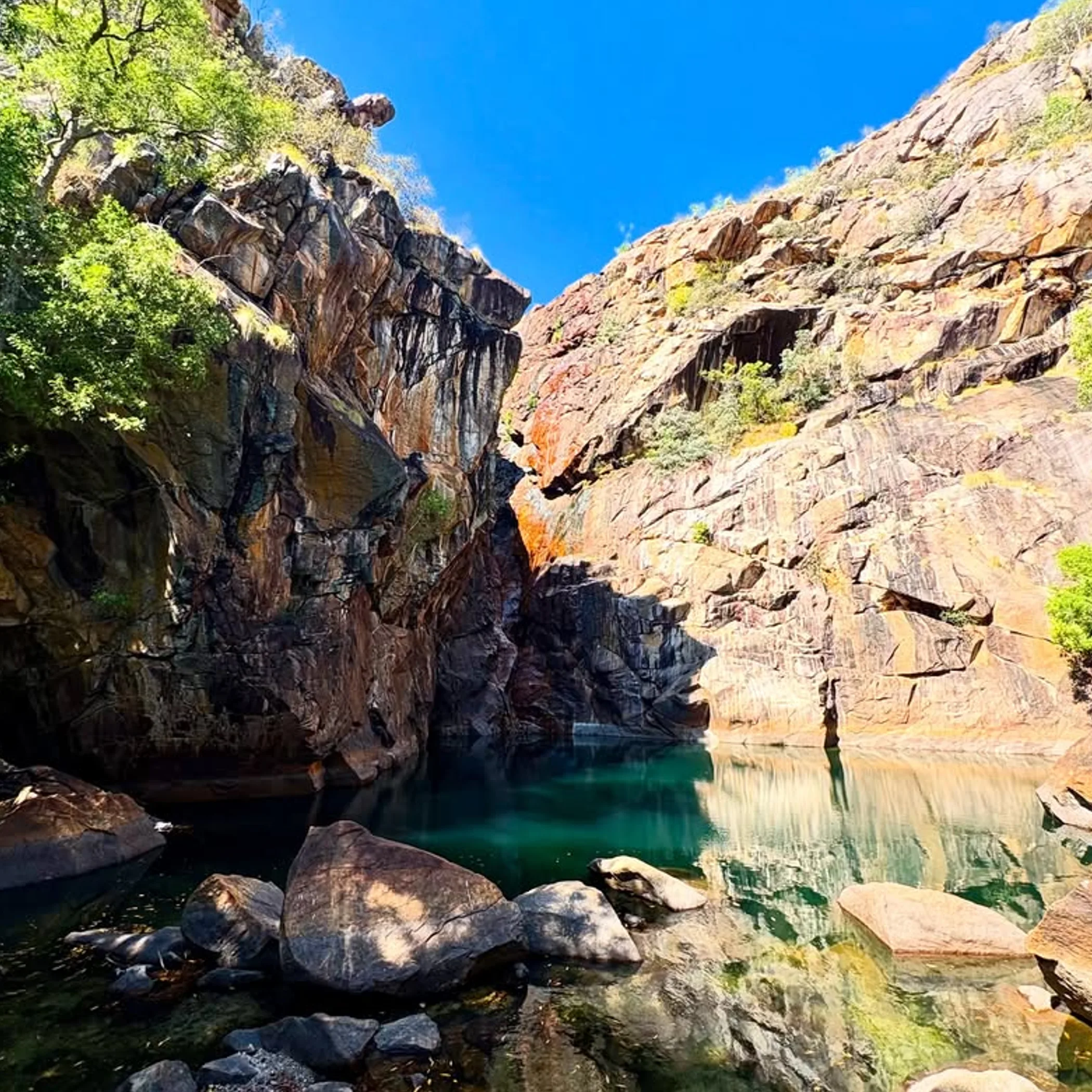
The likes of Jim Jim and Twin Falls put on a good show after the rains have had their way, yet one has to be prepared for roads that call for a capable vehicle and a cautious hand at the wheel; access is not always straightforward. Do not count on a waterfall being in full flow at either end of the wet season, consider it a chance occurrence not a certainty.
Then there is the matter of the intense greens, fine birdwatching and clouds that are on offer. With less foot traffic at the more open sites the experience can be quite peaceful. But do not mistake a lack of other people for an absence of hazards. One still has to contend with crocodiles, the odd flash flood, rocks that are slippery and roads in a state of flux.
Wet Season Realities
For most travellers the humidity is what gets to them. It is not uncommon to be perspiring by breakfast time and for laundry to be slow to dry. Make allowance for cooling facilities in your accommodation, take along ample water and keep walks to a minimum in the heat of the day.
People are most apt to be caught out by road access. An old map will tell you a route is open but you may find otherwise on arrival, or rain will have taken its toll on a road since it was last put back in service. A word of advice: look over the weather warnings and park notices before you go.
From November through April cyclone alerts are a possibility in northern Australia. When the forecast is for something severe, heeding official instructions and putting off any remote excursions is wise. You can make do without a photograph of a waterfall rather than have it out with a tropical storm.
Shoulder And Build-Up Seasons
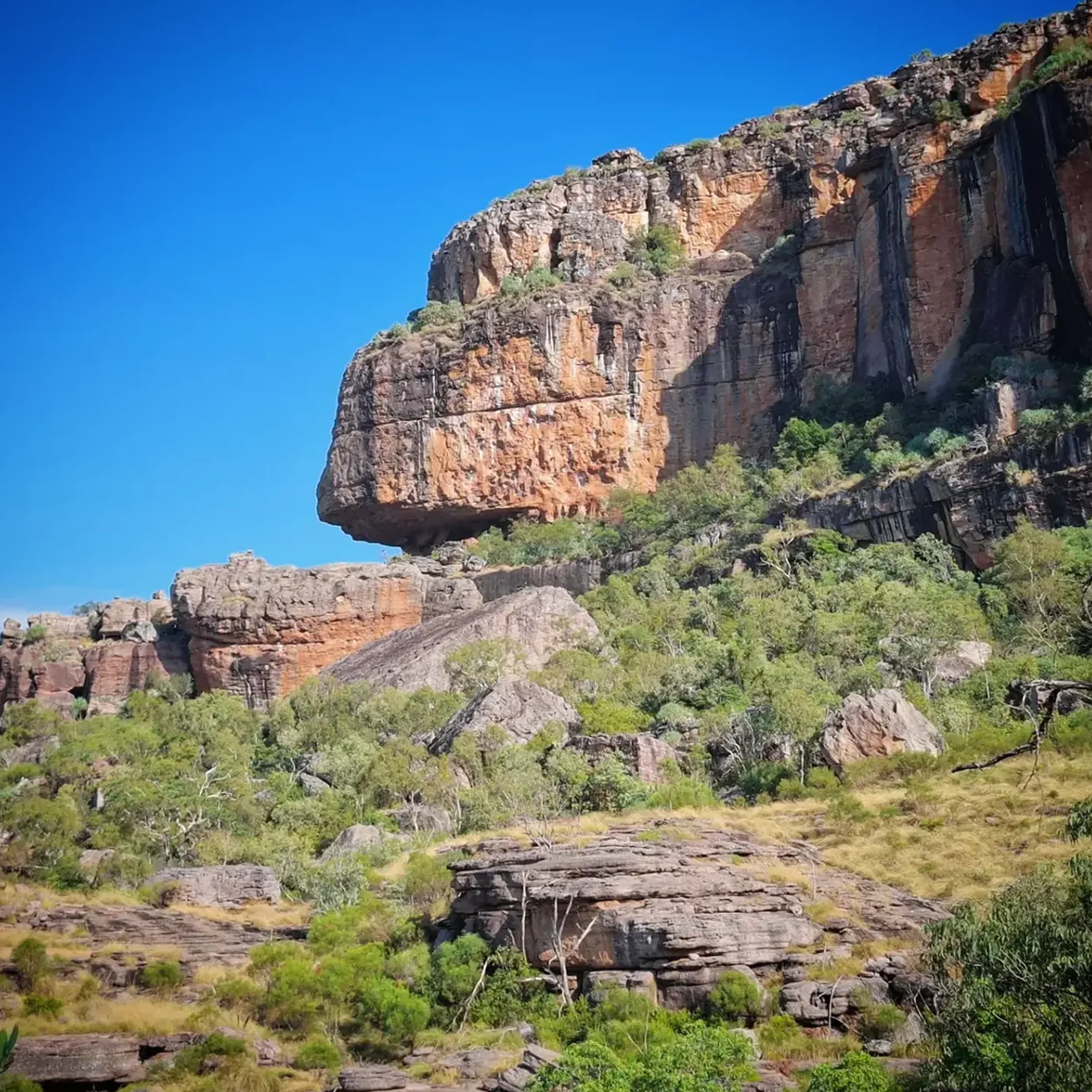
In theory the shoulder periods are a happy medium between the weather and the number of visitors, but they are not to be relied upon as such. As the dry is overtaken by the build-up or the wet starts to ebb, conditions have a way of altering in short order.
May and October
Visitors in May are drawn to the colour of the country without having to put up with the whole of the wet season, though some roads and places will be the worse for earlier rain, so verify your access to a remote loop first. October has its share of heat and humidity and the odd thunderstorm, but the kind of storm clouds that make for a good picture. It suits those who are amenable to change of plans and do not see every road sign as something to be defied.
Kakadu Weather By Month
It is in the rainfall and access that Kakadu’s monthly weather shows variation, not so much in temperature. The Top End is warm all year round but the wet is a far cry from the dry when you factor in the flooding and storms.
Consider the guide below a summary for planning purposes. If you are heading into the hinterland, consult the Bureau of Meteorology and the latest from the park near the time of departure.
| Month | Typical conditions | Planning advice |
|---|---|---|
| January | Wet, humid, prone to storms | Be flexible and expect some closures |
| February | Flooding and heavy rain possible | Do not have a tight schedule, check on the roads |
| March | More of the same from the wet season | Access will be limited but there is scope for good birding and greenery |
| April | Variable, if the rain is letting up | Make sure the waterfalls and roads are open |
| May | Drier conditions setting in | A sound shoulder option if you are careful about access |
| June | Warm days, cool nights and drier | Sightseeing and walking are well catered for |
| July | As a rule comfortable and dry | Put in early bookings for tours and a place to stay |
| August | Clear conditions, warm and dry | The major attractions and outdoor pursuits are good going |
| September | Dry and hotter | An extra bottle of water and an early start to the walk is in order |
| October | Storm activity can pick up in the heat and humidity | Have a watch on the warnings and be ready to alter course |
| November | Build-up of heat and storms | Anticipate the odd closure |
| December | High humidity and the wet season in full swing | Indoor cooling and activities where you can get in are best |
Best Activities By Season
Kakadu is not made better or worse by the season, it is just a different proposition. The wet brings more dramatic weather and stronger water to be seen, whereas the dry affords the sort of access one can put trust in.
So before making a booking, determine if it is the wildlife, the cultural sites or the waterfalls you are after, or perhaps simply getting there. Your itinerary will be all the more sensible for it.
Walking And Rock Art
For a longer outing to Ubirr or Nourlangie the dry season is the preferable option on comfort and safety grounds. From September on it is best to be out early, the shade is not to be found and the heat comes on fast.
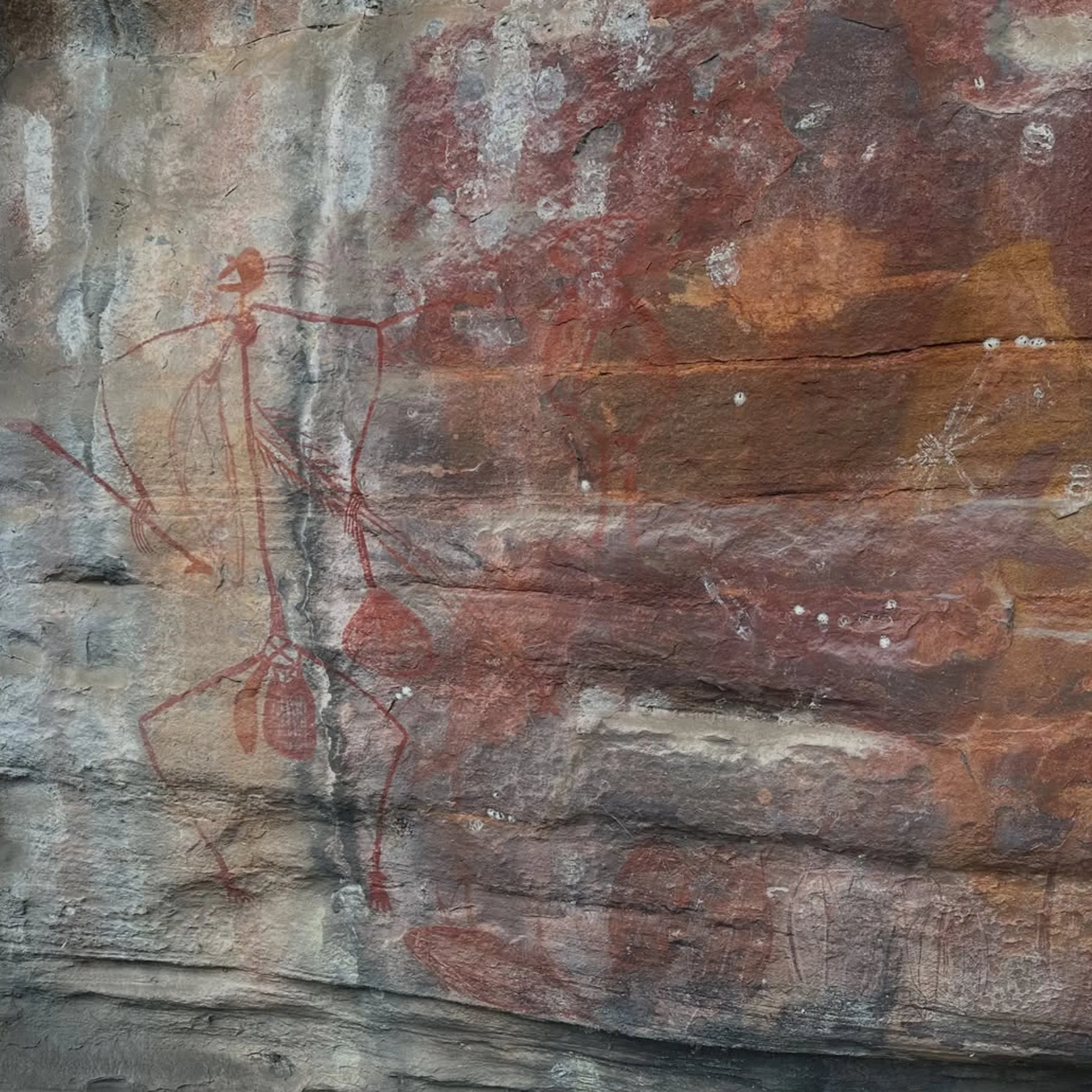
One needs to approach rock art with the proper respect and patience. All cultural instructions are to be heeded, as is the rule of not handling the paintings and confining oneself to marked tracks. There is no need to make a site into a hurried photo opportunity; a park ranger or guide of some experience will put the place in its context for you.
Wildlife And Waterways
You will find good wildlife viewing at Yellow Water over the course of a few seasons, though one can never be sure of a sighting. For birdwatching and to see what is going on by the water, the early morning and late afternoon hours tend to be more agreeable. In the dry season some wildlife may present itself more readily near what water is left, whereas the wet-season billabongs are often very rewarding for the birder. Crocodiles are to be given a wide berth and do not be taken in by the appearance of calm water when it comes to swimming.
Planning Your Kakadu Visit
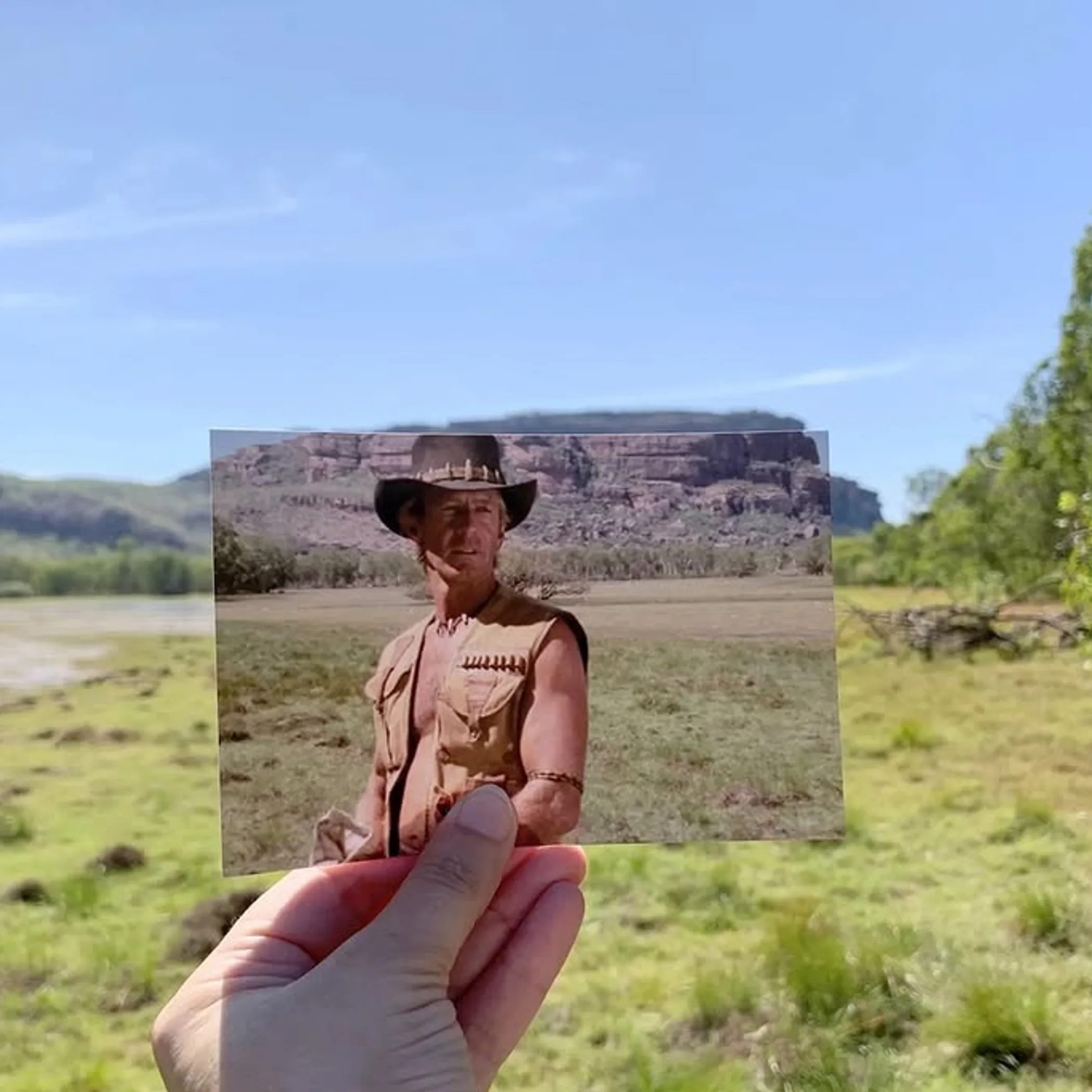
Your route will be dictated in large part by road access in Kakadu. The Arnhem Highway from Darwin is where most make their way in, putting Jabiru down as a sensible base for any supplies or information one might want.
There is no public transport to conveniently put you at every major attraction. Some opt for a guided tour or a mix of transfers and organised activities, others self-drive. A 4WD is called for on certain remote roads in wet conditions.
Transport And Timing
It is a matter of several hours driving from Darwin before the exploring even starts. Factor in the heat, photography, road conditions and fuel. While a day trip will see you through a few of the highlights, it does not do the park justice.
Make of your one day what you will but it is best to have a cultural site like Ubirr or Nourlangie and perhaps a wildlife excursion at Yellow Water as your priorities. Trying to fit in all the major attractions in a single day generally leaves you in a hot car making up time and having words with the family over who has not brought the snacks.
- Before you leave your accommodation have a look at any site notices, weather or road closures.
- Be sure you have a paper copy of your route as well as a charged phone, sun protection, insect repellent and provisions.
- Make allowances for corrugations and the odd delay.
Costs And Practical Comforts
Expect costs to be influenced by the season, your vehicle and the operator. Put aside money for fuel, park access, food and things like a Yellow Water cruise. You will pay more for supplies out in the park than in Darwin so stock up first.
See what the current rules are for an NT Parks Pass and Aboriginal land access. Fees and conditions have a way of changing so the official Kakadu National Park visitor information is the way to go when you are making plans.
Those looking at the value of a Jabiru Kakadu experience should enquire as to whether the price covers transport, interpretation and the like. An option that seems cheap enough can lose its appeal when you put the cost of equipment hire and rescuing an overly ambitious itinerary on top of it.
What To Check Before Leaving
The common problems in Kakadu can be avoided with a brief check before you set off. With conditions liable to change in a hurry, particularly in the build-up and wet season, it is prudent to confirm details on the morning of any remote outing.
- Road status and 4WD requirements for Jim Jim and Twin Falls, Ubirr, Nourlangie and Yellow Water.
- Any alerts for cyclones, thunderstorms or flooding.
- Your fuel and water, the state of your recovery gear and phone coverage.
- What the walking is like, if there are any restrictions on swimming and where the crocs are.
- Also camping rules, fees and access to Aboriginal land.
Rain is not the only thing to consider with the season. In Kakadu it has an impact on the roads and creek crossings, on visibility and insects and how long it takes to get from one place to another.
Frequently Asked Questions

I would put these to any traveller wanting to make a holiday of a sizeable tropical park. The answers are short and to the point but local conditions should always be factored in.
What Is The Best Month To Visit?
A first time around is best in June, July or August; the dry season is kind to the major attractions with less humidity and you can count on access. May and September are fine too provided you can stand the heat and the roads are in order.
Is Kakadu Better Wet Or Dry?
For self-driving and walking the dry season is preferable. The wet will give you lush country and waterfalls in full flow and some spectacular storms, but you have to be flexible and some of the more out of the way places may be off limits.
Can You Visit During The Wet?
Certainly. Just be sure to plan for spare days and pick where you can get in without trouble. A guided tour will take some of the strain of variable conditions but they are not going to circumvent a closure or flood.
Are Kakadu Roads Open All Year?
Not at all. Flooding will close some roads and attractions and when they open again is contingent on the state of things. Do not put your trust in an old map or something on social media, get the official word first.
How Many Days Do You Need?
Three is about the minimum for a first visit. Four or five is better if you want to combine longer drives with the cultural and wildlife side of things and not be in such a hurry. One day is enough for a couple of highlights but nothing more.
Choose Your Season Carefully
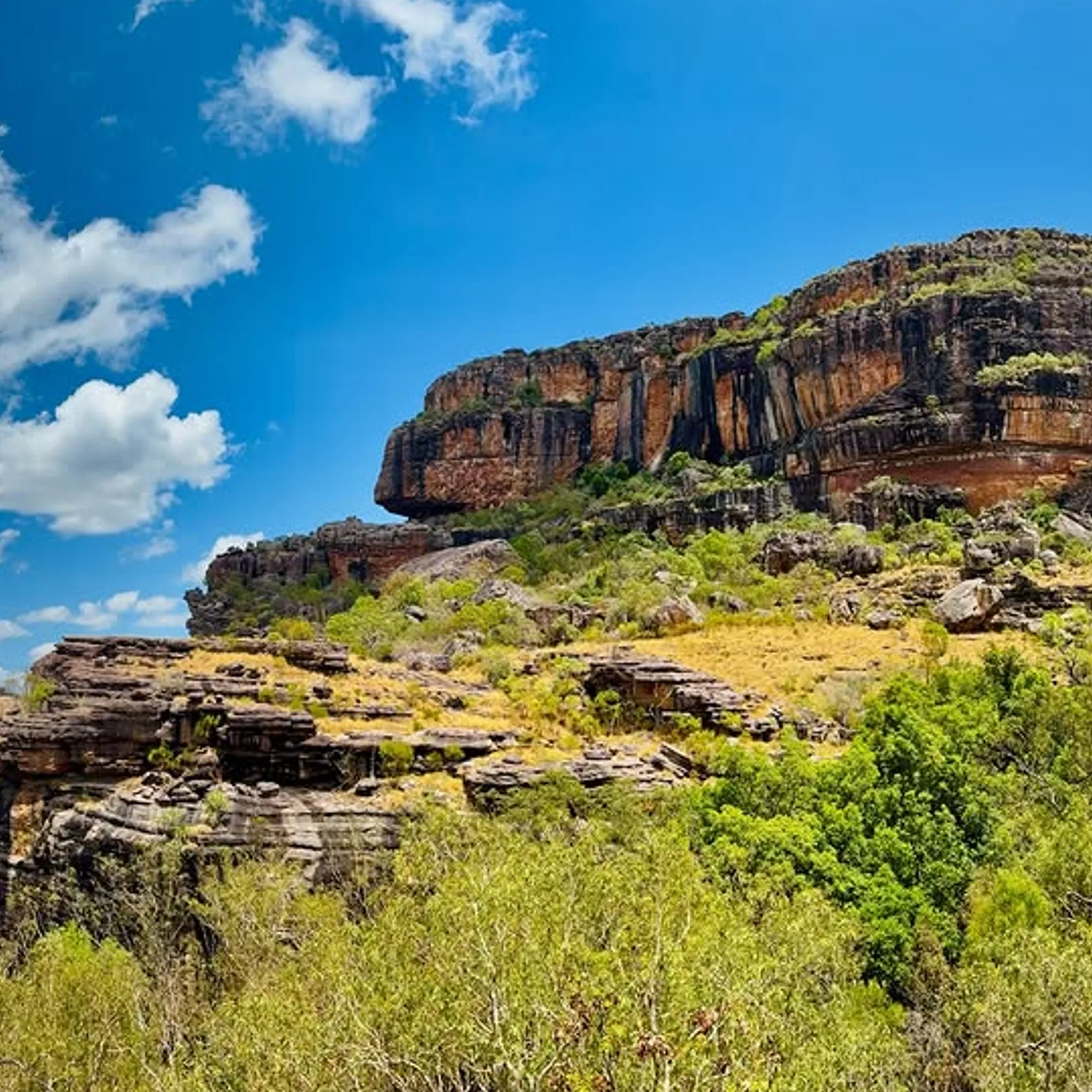
May to October is the dry season and for the majority it is where you will find the right mix of activity and comfort. Go with the wet if you prefer the birdwatching and waterfalls to a road you can rely on, and be prepared for Kakadu to have its own way with your plans.
Take your time to notice your surroundings and pack accordingly for the elements. Kakadu will reward you for it.