The market for hair restoration in Australia this year is one of greater caution and personalisation. Follicular unit extraction is the subject of most surgical discussion, but when it comes to non-surgical care you will find medication, platelet-rich plasma and combination regimens are what prevail. There is more focus on women, and while going abroad for surgery has its appeal it is not without its complications. The modern consumer asks for transparent pricing and medical support over the long haul, and wants to see the evidence.
My name is Rhys McDonald. I put this together as a guide for the practical consumer; I am not a hair-transplant surgeon nor do I make the claim that a weekend spent reading online is the equivalent of a medical degree. What matters is not the treatment with the most vocal marketing but the one that is right for the patient in the consultation room, given his or her diagnosis, budget, health history and what can be realistically achieved.
Executive Summary For Patients
You could say the trend is simple: a reputable practitioner will diagnose before offering a package. A receding hairline or patchy loss and progressive thinning may have different origins, so there is no sense in following your mate’s plan any more than you would his prescription glasses.
FUE is at the top of the search results for 2026, yet non-surgical options in Australia are not confined to PRP. In putting together a staged plan patients will weigh up minoxidil and DHT blockers from their doctor, low-level light devices and even surgery, not as either/or propositions. FUE is still the way to go for many to preclude a long linear scar from the donor area, if one can put up with the small wounds of extraction. Then there is FUT which has its place where graft yield and donor management take precedence over having very short hair. For pattern hair loss medication is often the foundation, provided it is medically sound. PRP is much made of as an adjunct though one finds the protocols and cost are not uniform. And do not mistake hair cloning or stem cell therapy for anything other than investigational; they are no substitute for a proven transplant. Women are more apt to look for a course of action that deals with the hormonal and diffuse nature of their condition. For regional context, see Sydney vs Melbourne trends.
Market Growth Needs Context
By the size of the service menus and the competition on social media and in the consulting room the Australian market is commercially active in 2026. But we have been given no verified revenue or CAGR figures for this piece, so to put a national growth percentage on it would be to feign certainty. You may see commercial reports with projections out to 2034 but they are not all cut from the same cloth. One will include pharmaceuticals, another surgery and cosmetics, a third the Asia-Pacific region. Until the methodology, base market and currency are in line such numbers are not comparable.
Reading Forecasts Properly
Do not confuse a compounded annual growth rate with the proportion of Australians being treated. When a forecast touts growth, see if the base is worldwide product sales or the volume of an Australian clinic. Without a base a percentage is merely decoration.
As for a particular clinic, investors might care about national revenue but it does not inform a patient as to whether the surgeon can fashion a natural hairline from limited donor stock. Look at the complication reporting, follow-up attendance and what patients have to say of their outcomes.
Treatments Patients Compare Most
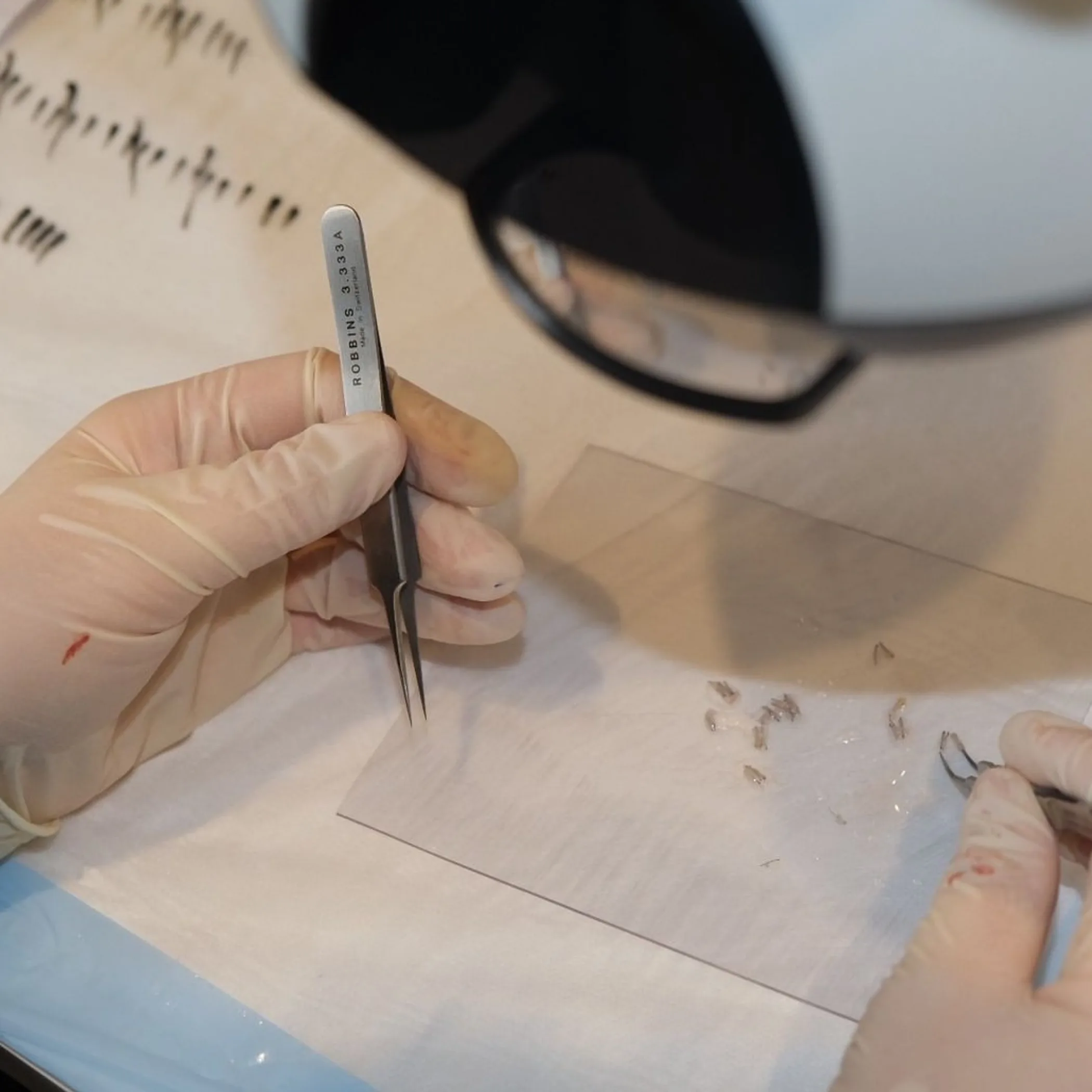
There is an ongoing interest in minimally invasive surgery in 2026 but “minimally” is not to be taken as effortless. An FUE procedure can take the better part of a day or more under local anaesthetic, with the shaving of the donor area and some swelling and crusting to recover from, none of which is as glamorous as the airport-lounge ads would have it.
In truth FUE and FUT are both redistribution of what you have in the donor follicles, nothing is created, so conservation is key.
| FUE | Individual follicular-unit extraction. | You get the flexibility to wear your hair short and no long linear scar. | But there are numerous small scars and the risk of overharvesting the donor. | A quote will be forthcoming after examination. |
|---|---|---|---|---|
| FUT | The donor strip is removed and dissected. | It is efficient for the right patient. | The recovery is different and there is a linear scar and sutures to contend with. | Quote after examination. |
| PRP | An injection of concentrated autologous platelets into the scalp. | Downtime is minimal but the individual response is hard to call and you will need repeated sessions. | Usually priced per course. | |
| Medication | Prescribed or topical. | Can put a brake on loss or add density in the right candidate. | Ongoing use is required and there are contraindications. | Costs for the product and the consultation will vary. |
| Combination Plan | A number of modalities used on the basis of the diagnosis to deal with transplanted and existing hair in concert. | More appointments and cumulative expense are to be expected. | We suggest getting an itemised estimate for the year. |
Surgery Is Redistribution
In a hair transplant the follicles are simply moved from the back and sides of the scalp to where the loss has occurred. Unlimited density is not something one can put a guarantee on. Any plan worth its name will take into consideration the probable course of loss as well as age, scalp make up, donor density, colour contrast and the calibre and curl of the hair.
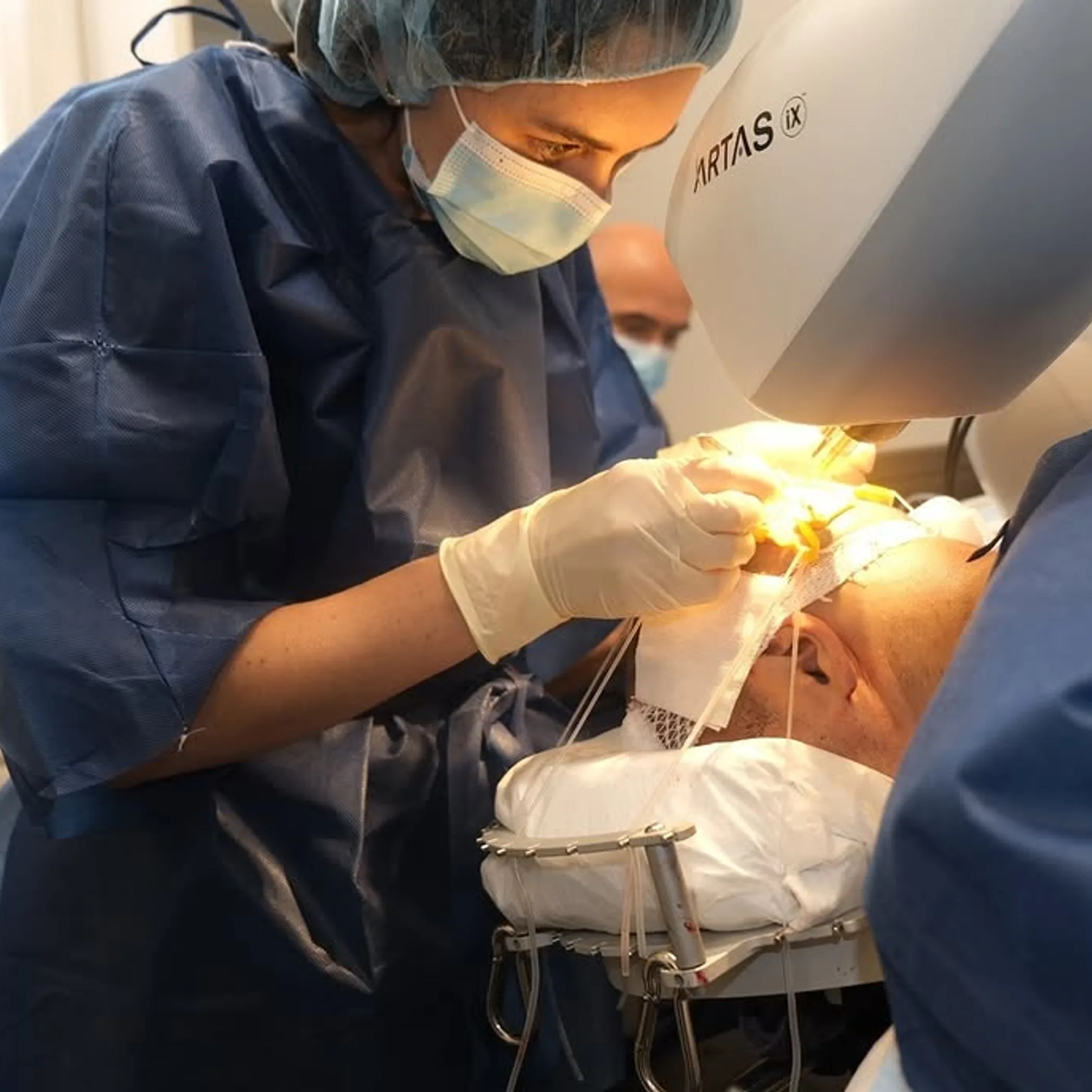
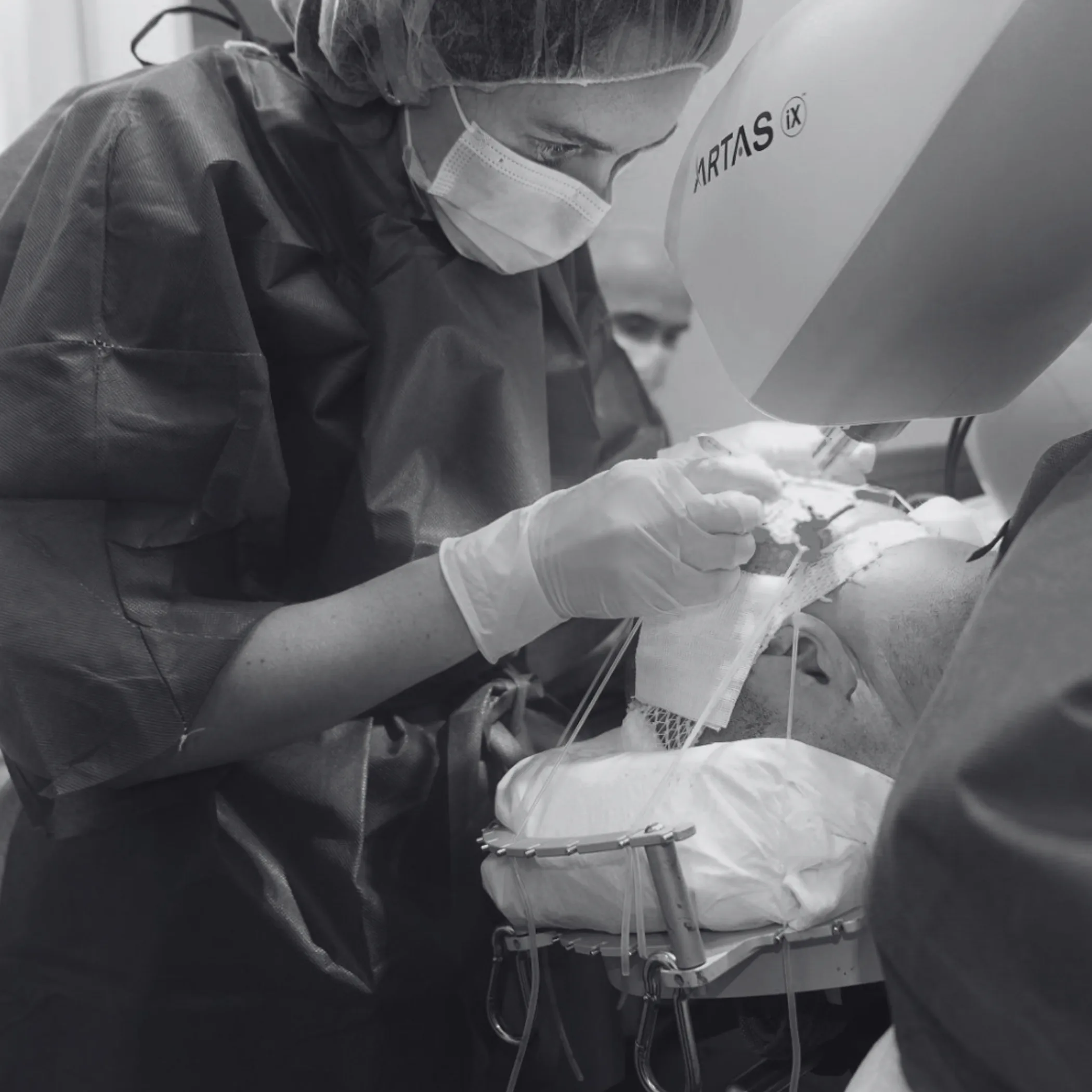
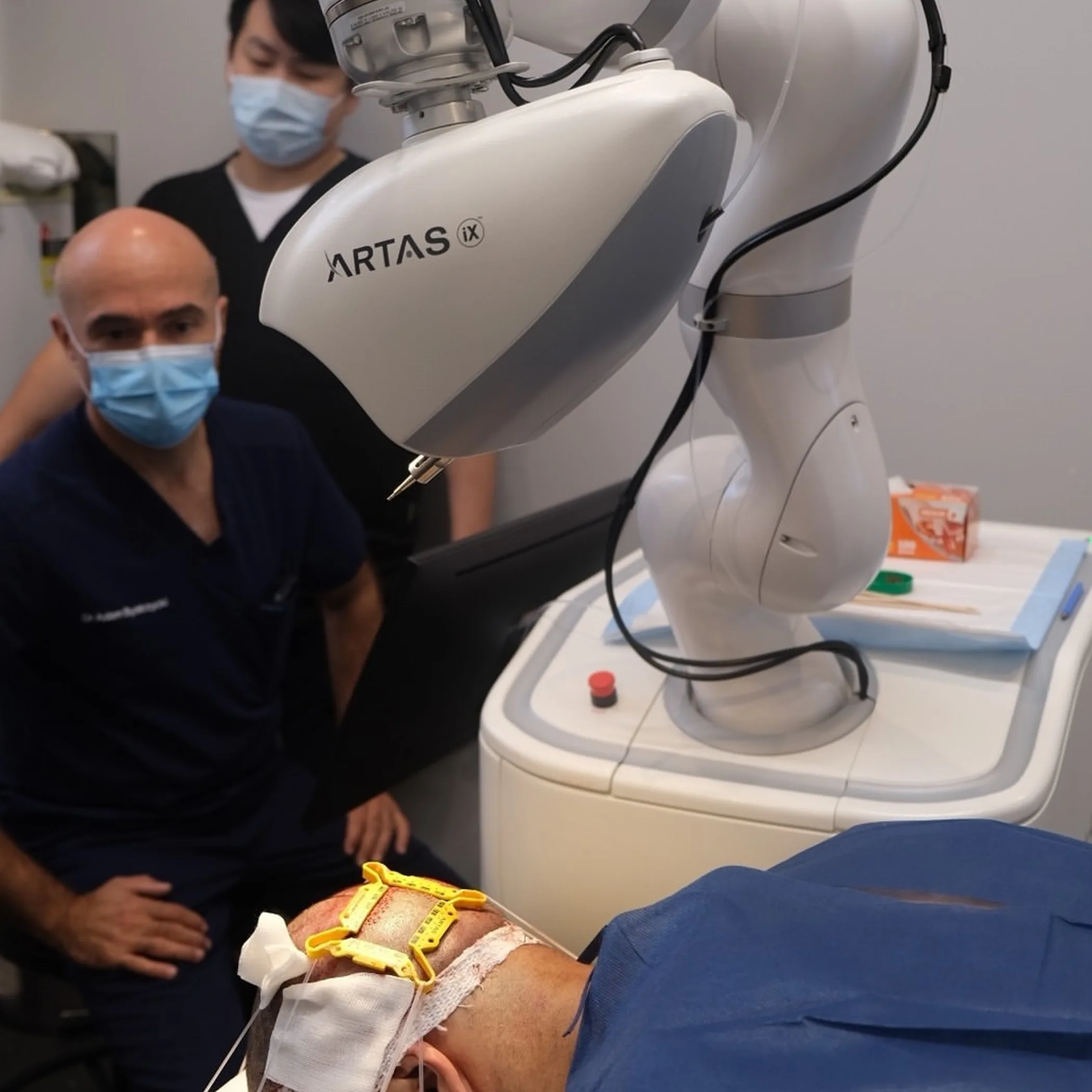
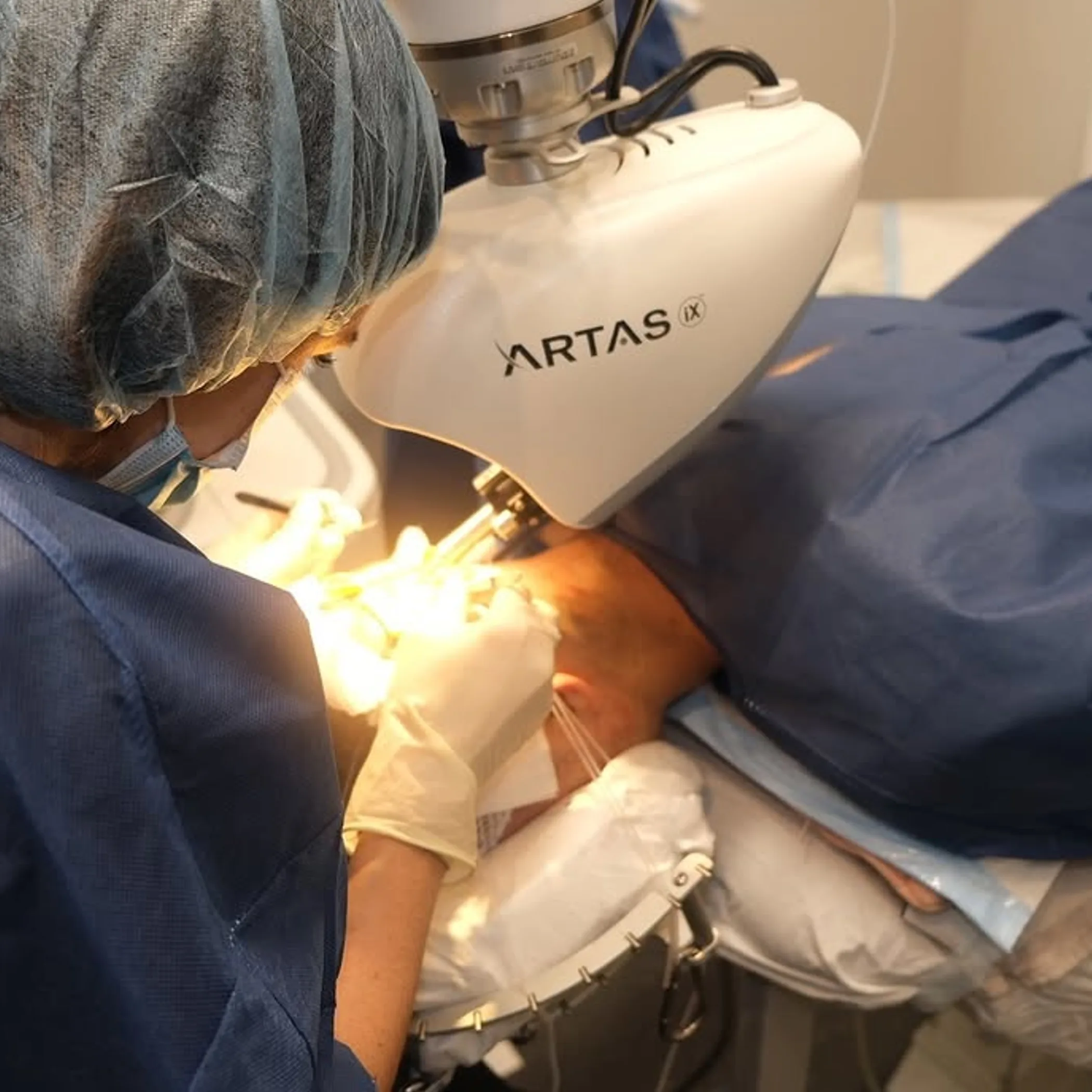
Depending on the clinic and what platform they have, robotic systems are of some help in extracting follicles or with certain aspects of the planning. They do not, however, stand in for accountability, an artistic approach to the hairline or good clinical judgement. One would do well to enquire who is in charge of every phase and who has to deal with complications when the office is closed.
Non-Surgical Care is on the increase
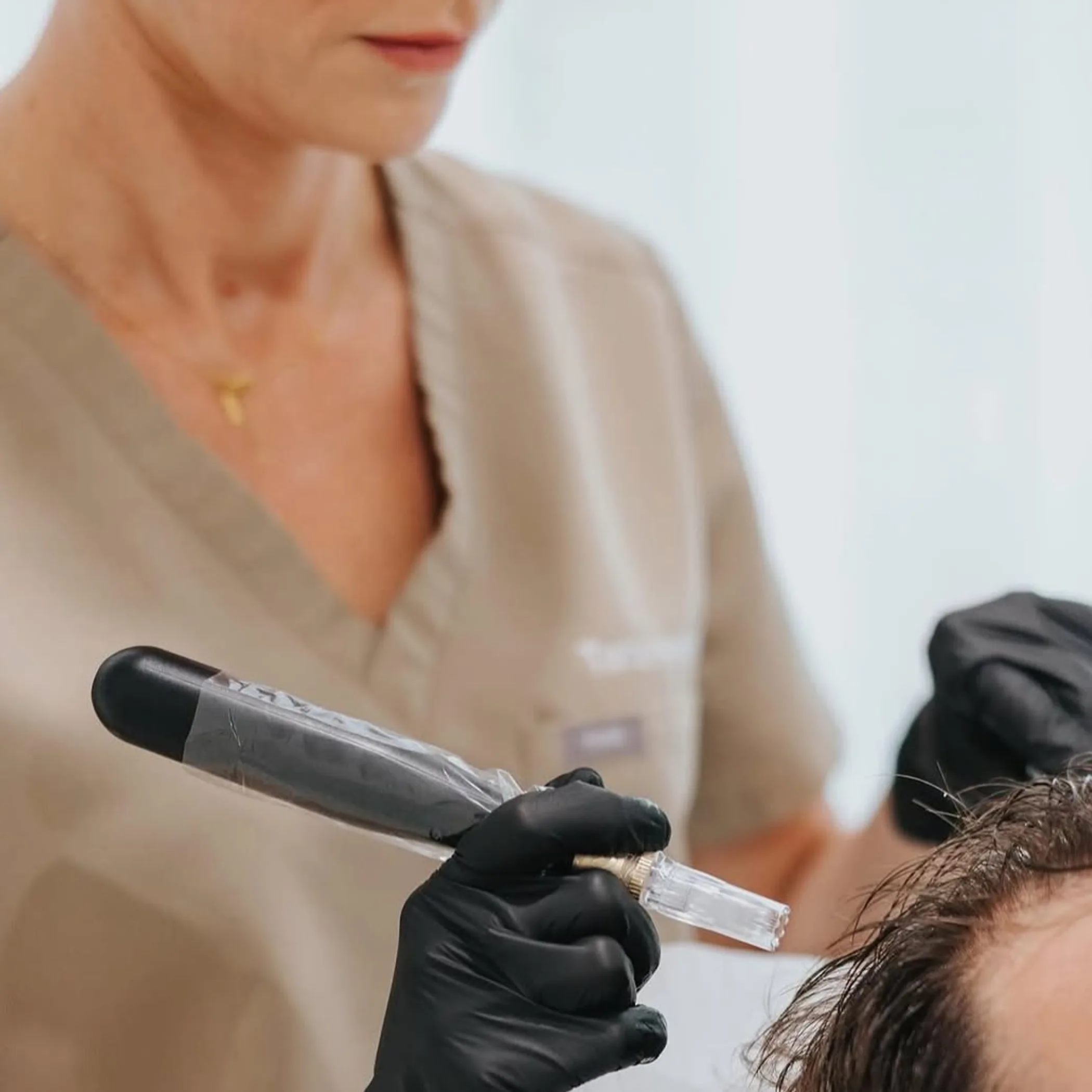
The PRP hair treatment Australia 2026 has staying power by virtue of using the patient’s own blood; it is put through processing to get a concentration of platelets for injection into the scalp. But that biological provenance is no assurance of results across the board. It is advisable for patients to question the clinic on their success metrics, the evidence for the condition at hand, the interval between treatments and the centrifugation protocol.
For pattern hair loss of a certain type Minoxidil will do, or a clinician might put a selected patient on prescription DHT blockers after due assessment. The individual’s sex, age, medical history, other medications and whether pregnancy is a possibility all factor in. For the national regulatory framework there is the Therapeutic Goods Administration medicines information in Australia, though you will want a qualified health practitioner for any treatment advice.
Women are looking for better answers
And in 2026 female hair loss Australia is getting the kind of focused attention it should. Women present with thinning from nutritional, hormonal or medical causes, traction loss, alopecia areata, telogen effluvium or the female pattern type.
It is easy to be taken in by the notion that a part which has widened is a job for a transplant. An active condition can persist post surgery and the diffuse nature of the loss may be an issue for the donor region. A proper diagnosis is required before any grafts are counted.
You need to test for different patterns
A thorough consultation will look at the way the hair is being lost, how long it has been shedding, family and medical history, recent illness, life changes and so on. If the history points to a cause the clinician may refer for blood work, but testing ought to be driven by what is found clinically and not just run through like a shopping list.
Then there are the before and afters put out in print. Women should see if the lighting, styling and time since treatment are comparable. Put wet hair in the “before” and a professional style on dry hair for the “after” and the outcome will appear more impressive. That is an old ploy and should be called as such.
Reality is still reality
There is only to be expected some interest in regenerative hair therapies Australia given the limitations of what is currently on offer. Yet terms like exosomes, stem cell therapy, hair cloning and regenerative medicine can mean very different things in terms of product and where they stand with regulators.
What is put forward here does not make of hair cloning an approved cure to be had at your average Australian clinic in 2026, nor does it vouch for any Headline Trial result. Let the trial registration, the peer reviewed literature, the numbers and adverse events speak for themselves before accepting a “breakthrough” as fact.
Any claim to a breakthrough must be substantiated
To be of any consequence it has to be safe, give lasting and cosmetically sound hair and not be confined to a small group in a trial. Multiplying follicles in the lab is not the same as having a commercial treatment to show for it. Novelty is often mistaken for being better. There are risks and outcomes with established therapies that are at least known. With some of the new injections and their vague ingredients and lack of a published protocol one is paying for uncertainty in a syringe.
As for the cost of hair restoration in Australia 2026, it is not responsible to come up with a single national number. Clinics will price by session, package, procedure or the graft. Travel, anaesthesia, the surgeon, medication, aftercare and any corrective work will put a variable on the final bill. The table below tells you what to expect in a quote rather than making up AUD prices. Get it in writing, in rounded AUD figures, and make sure the number of grafts quoted refers to hairs, follicles or follicular units; they are not the same thing.
| Clinical Work | An Australian treatment will have the consultation, procedure and follow-up as separate items; | an overseas package might put a headline price on a bundle of services. | One needs to know the total in AUD. |
|---|---|---|---|
| Travel | Domestic flights or local transport are to be expected here, | whereas going abroad means international flights, transfers and perhaps an extra night or two. | What is not covered by the package? |
| Aftercare | There is the option of an in-person review at home, | but once you have left the country any follow-up is likely to be remote. | Who is there to deal with an infection or poor healing? |
| Time Away | Factor in recovery and time off work. | When one adds border formalities and flights, how many days does it really take to get back? | |
| Corrections | A local assessment is more straightforward than having to make return travel arrangements. | If more treatment is called for, who foots the bill? |
Turkey and the Risk Factor
With 2026 around the corner, Australia’s medical tourists are still drawn to hair transplants in Turkey. The packages on offer seem to have a lower cost and can include everything from the surgery to your room and transfers. But a proper comparison has to account for the flights, insurance exclusions, currency conversion, time off and what it would cost to put right any complications back in Australia.
Then there is the matter of a full itinerary which can obscure things. It is no comfort to find that swelling will not abate for checkout when one has flown shortly after an involved procedure. And patients ought to be certain of the clinician’s credentials and identity before parting with money, rather than being told on arrival that the work will be handed over to others.
Sydney and Melbourne have their ways
Both cities have a consumer base used to weighing up premium services and a well developed private clinic scene and transport. You will not find that one city is the guaranteed source of superior results; it is the individual practitioner and the quality of the clinic that differs.
Trend discussions pitting Sydney against Melbourne usually come down to discretion, price and convenience. A patient in Sydney will measure central or eastern clinics by the parking and traffic, a Melburnian is more apt to consider tram access and the vagaries of the weather during recovery as much as CBD proximity.
Making the right choice
Sedatives or the word of the clinic may preclude driving after a long day in the operating room so put in place some form of approved transport. Check the building for height restrictions on parking, where the after-hours exit is and the way back. Trying to locate the right station with a new donor area is not an afternoon anyone wants to spend.
Should consultations be confined to a single day, make time for two well spaced appointments instead of putting in an appearance at four clinics in quick succession. One can then go over the written plan without a salesman looking on. Those coming from interstate would do well to enquire if a later review can be done locally or entails another flight.
A clinic’s accreditation may put one at ease but it is the responsible medical practitioner and the scope of his credentials that count. None of the social media followers or celebrity headshots in the waiting room are proof of a surgeon’s ability. Look for a conservative approach to diagnosis and donor assessment and outcomes that are open to scrutiny. Standardised before-and-after images are of some use provided the clinic will talk about graft numbers and whether styling or medication has had an effect on the look.
Consultation checklist
Have a list of all medicines and supplements and photographs of the loss to date. Prescribed treatment should not be discontinued on your own. Put these same questions to each clinic for an even comparison.
- What is the basis for the diagnosis?
- Who is doing the designing of the hairline, the anaesthetic, the extraction and placement of follicles?
- Can the practitioner produce his Australian registration and training?
- How was the donor capacity determined and what is the proposal for follicular units?
- In the event of further thinning, what is the course of action? Some of the more pertinent questions are: what complications does consent cover and who is on hand for any urgent aftercare?
- One would want to know if the photographs are of a standard, and whether there are results from like patients on display.
- As for cost in AUD, what is the full figure once you factor in reviews, medicines and the maintenance one can expect?
- The written agreement should set out the terms for refund, cancellation and revision.
Future Winners Will Show Evidence
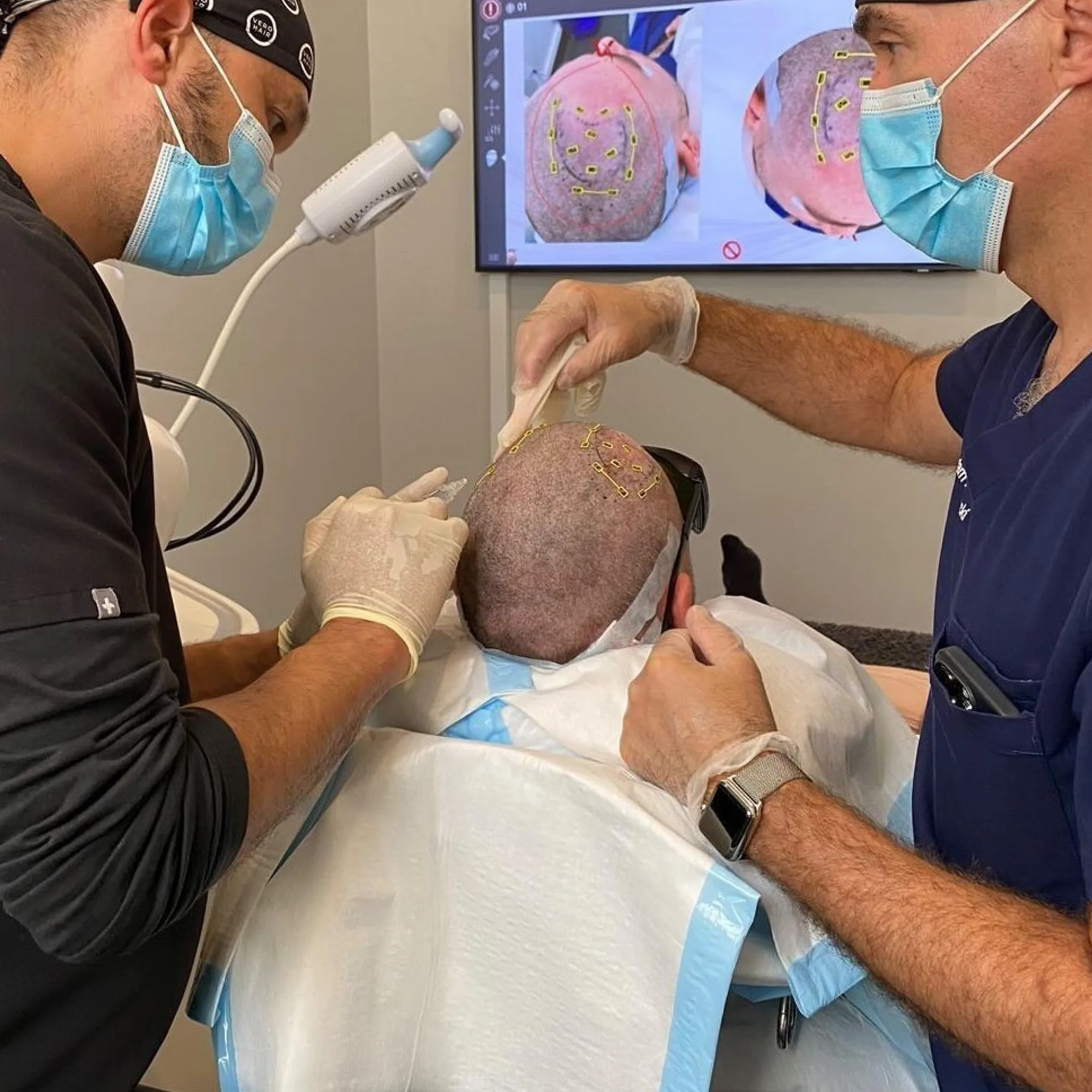
A clinic that is doing well will have protocols to show for it, with staff roles made plain and outcomes measured on more than a good photograph. Marketers ought to be distinguishing between an approved use, an off-label call by the clinician and something experimental, as opposed to putting it all in the “regenerative” category.
Patients are best served by a methodical approach to planning: put down the cause, make a stab at stabilising any treatable loss, then reassess with consistent photographs before even thinking of surgery if the donor plan and your expectations do not align. It is not as quick as a miracle package but then again, boiling the billy takes its time and in the end you get a better brew for your patience.
Common Patient Questions Answered
We have put together some answers for the sorts of things people ask in the course of comparing treatments, making a distinction between what public evidence can substantiate and what is left to private or uncertain matters.
An FAQ is no substitute for informed consent nor can it make a diagnosis. Should hair loss present itself as patchy, sudden, painful or inflamed, or with other symptoms, a clinical assessment is called for, not a sales pitch.
Is Turkey A Better Bet For A Hair Transplant Than Australia?
Not of itself. You may find Turkey has the volume and the lower advertised price, but in Australia face-to-face assessment and local follow-up are more straightforward, as is practical recourse. Do not put clinics in the same basket and compare countries; look at the total AUD cost, the aftercare, the infection controls and the named practitioner.
What 2026 Has In Store By Way Of A Hair Growth Breakthrough?
The evidence on hand does not allow for any guarantees. There are research avenues in follicle multiplication and cloning to be sure, but a trial being announced is no proof of a treatment that is safe, durable and to hand. Check for peer-reviewed work and the regulatory standing in Australia.
Elon Musk’s Hair Regrowth: What Was Involved?
Nothing in the public medical record supplied here can confirm what he has used. Commentators may think they see a change in his hairline but online claims are just that, speculation. Any medication or procedure is for him and his clinicians to say.
Australia’s Best Treatment For Hair Regrowth?
It is not a case of one size fits all. Some will be suited to an evidence-based medical route, others might be stable enough for transplantation, while for some there is nothing to be done until an investigation is done. It comes down to the diagnosis, your history, donor supply and how you feel about long term therapy.
Can PRP Put Lost Hair Back For Good?
Do not be led to believe it is a permanent fix for a destroyed follicle. Responses and preparation differ and the clinician may put forward maintenance sessions. Have him or her lay out the benefit for your condition, the session count, the stopping rule if the photographs do not tell a story of improvement and the AUD price tag.
A Word To The Wise
The trend of 2026 is not to be found in a particular destination or machine. It is in the move to transparent roles and plans based on diagnosis that a patient can have a look at.
Make a comparison of the written plans and allow yourself a cooling-off period before parting with a deposit. And if a clinic is touting a painless cure for all or unlimited density, leave your wallet where it is. Not a pessimistic view, just good hair sense.
Publishing Metadata For Search