There are three tiers to the standards and regulations in Australia for 2025 2026: national ones, the law of the state or territory and the technical dictates of regulators and gas networks, including gas installation guidelines. Put simply, any installation has to be done in accordance with what is required of the jurisdiction, the property, the location and the type of appliance and gas.
I am Rhys McDonald. I put together these guides so that you can have a handle on the job before some one comes round with a clipboard and an invoice. You do not want to be making guesses about gas rules over a cuppa. Get it wrong and you are looking at issues with your insurance, fire risk, carbon monoxide safety and the legality of the connection.
Changes for 2025–2026

The current regulations bring with them some revisions to network processes, state enforcement, gas quality and the like. Do not think of it as all new legislation; in part it is updated technical guidance, advisory notes or a different way for the networks to handle compliance and connections.
It is best to make of the latest edition of the standard what it is worth and put in a call to the local regulator. States and territories will have the say on licensing, safety obligations and enforcement even if Standards Australia is the publisher.
National Rules Versus Local Law
For most installations in Australia AS/NZS 5601 is the go to reference. That said, it has to be considered in conjunction with building and planning obligations, the manufacturer’s instructions for the appliance, network requirements and whatever the state or territory has in its statutes.
The system is layered and will trip you up if you are not careful. An otherwise compliant job can come to nothing if the gasfitter has not adhered to the network’s process for a connection or overlooked a ventilation requirement.
Some Updates To The Installation Standard
The alterations to AS/NZS 5601 are of consequence when it comes to the planning, documentation and testing of gasfitting. It shows up in how you deal with flueing, pipework, clearances and where an appliance is sited.
Leave the old photocopy in the back of the ute. These are technical documents and the demands will vary for an industrial site or caravan park as they would for a domestic or commercial property.
Gasfitting Is A Matter Of Planning
A licensed gasfitter ought to sort out the approvals, flue arrangement, ventilation, the route for the pipework and the category of the appliance and gas before commencing. He should also determine if the task is a repair, alteration, disconnection or something new.
Replacing an old unit is often thought of as a like for like affair but that is a mistake. The new one may need different flueing or input even in the same spot.
Testing To Show Your Work
Lighting the appliance does not satisfy the compliance side of things. Under the rules of the jurisdiction and the standard there is usually a need for proper commissioning and testing.
Put away the test results, photographs, invoices and certificates. When an insurer or the next owner wants to know how the work was done, a good paper trail is better than a confident shrug.
On AS 4564:2025 And Gas Quality
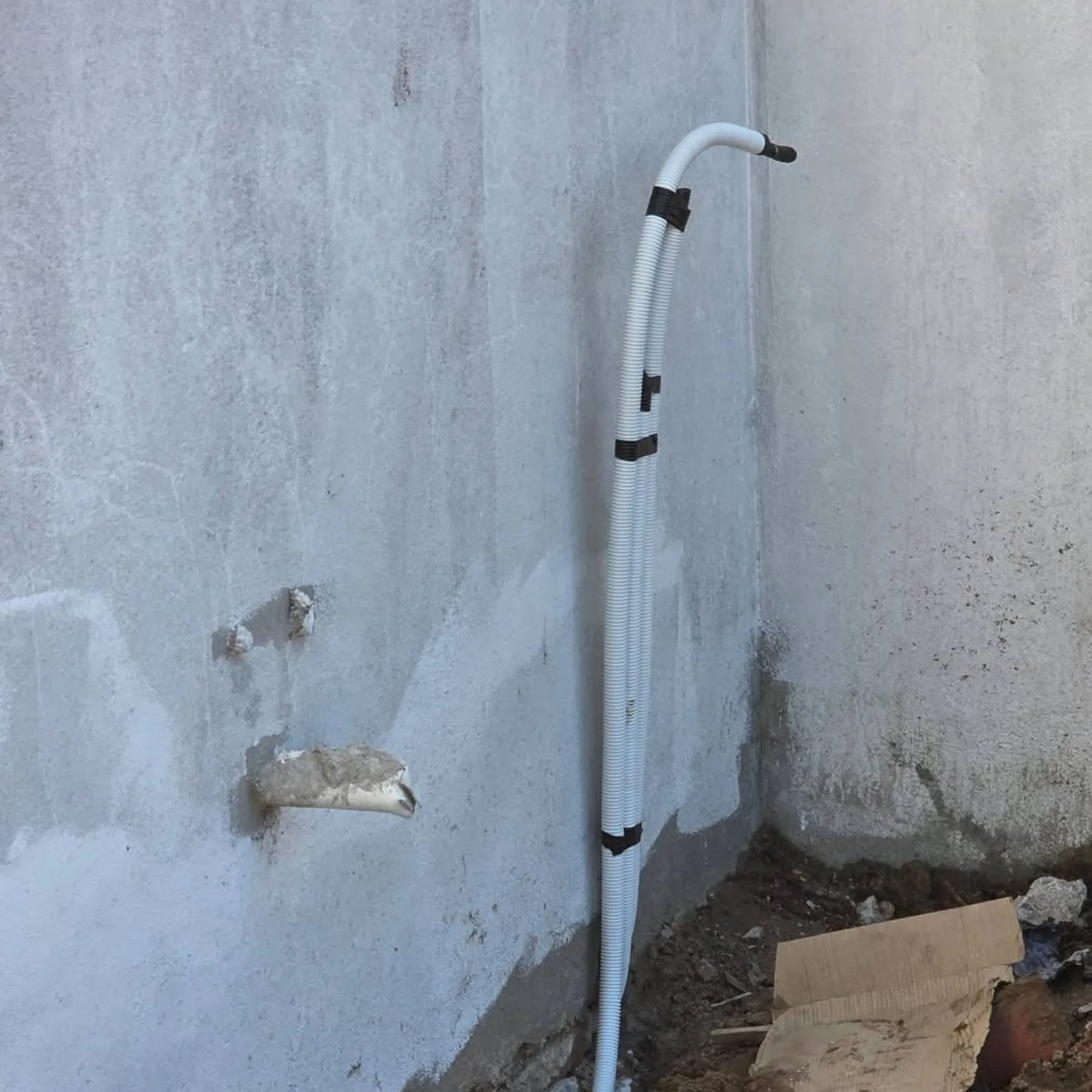
Do not mistake AS 4564:2025 for an installation manual or a replacement for the appliance instructions and AS/NZS 5601. It is the specification for the natural gas coming from the network and its quality.
The reason network management and gas equivalents are important is that combustion systems and regulators are made for certain gas characteristics.
The Scope Of The Standard
AS 4564:2025 lays down the quality requirements for natural gas in Australia; check the document and the network’s own for the specifics. For the property owner the point is not to tinker with the settings, jets or regulators unless you have the authority. An appliance might seem to be working but if it has been put to the wrong supply it is unsafe.
In the end, whether the gas gets to the meter is only part of the equation. Networks have to see to the pressure and conditions of the supply. AS 4564:2025 will inform the technical side of things for the licensed gasfitter but the advice to householders remains the same: get the right approval from the network and let the professional follow the manufacturer’s requirements.
Regulations in NSW, Victoria and WA
There is no single state system that administers gas safety regulations across Australia. In the case of Western Australia, Victoria and New South Wales, every one has its own way of doing things when it comes to enforcement, network processes, certificates, licensing and the regulators themselves.
One might find national summaries wanting; they do not do justice to the fact that while the underlying safety principles are much the same, local technical requirements, notification rules and the associated paperwork can be quite different.
Requirements in New South Wales
For any gas installation work in NSW, the licensed gasfitter should be on top of the obligations, be they for a certificate or an inspection, and have verified his licensing and the conditions for connection before he begins. It is advisable to put this to the relevant gas network and the NSW Government.
Depending on the network or if the property is commercial, industrial or domestic, there will be variations in what is required. A business owner or landlord would be wrong to think an old compliance certificate is sufficient for subsequent alterations.
How Victoria does it
Victoria’s gas safety framework is where one will find the rules for gas installation, with Energy Safe Victoria as the principal regulator. There are particular stipulations in Victoria for work notifications and the safety of appliances and gasfitting.
It is best to consult the public guidance and regulator contacts at Energy Safe Victoria. And where an installation is anything but straightforward, say a commercial kitchen or an atypical flue, get some advice first instead of having an inspector question you over it.
Western Australia
Work here is subject to the Economic Regulation Authority of Western Australia as well as the local gas network and other state authorities. The network will be insistent on the conditions pertaining to supply pressure, metering and the like.
You will not read in a city summary about the practicalities of the Pilbara or a remote property in a regional town. Given the weather and the distances involved, owners would do well to put in for qualified help early. One does not want to be left with a gas appliance in need of an emergency repair when a cyclone is in the offing or a bushfire closure is in effect.
On ventilation, fire and appliances
The risk of incomplete combustion, carbon monoxide and fire is mitigated by regulations throughout Australia that are very much concerned with safe combustion, flueing and clearances from heat or ignition.
What is called for in terms of ventilation is a matter of the room, the enclosure, the gas input and the rules. Do not put a block on a vent because it is unattractive or lets in a draught and the odd mozzie; air movement is a form of safety control.
Appliance Compliance Basics
Compliance is not so simple as putting in an appliance of a make one knows. It has to be of the right certification and approved for the gas on offer, and installed per the standard. An outdoor unit calls for the proper location and protection from the elements; an indoor one may demand a compliant flue or more separation from combustibles.
Risks of fire and carbon monoxide
In the event of a gas installation at an industrial site, care facility or accommodation, fire safety systems such as alarms and emergency shutdowns could come into play.
Then there is carbon monoxide which gives no warning in the way of a smell. Should dizziness, nausea or a headache set in near a gas appliance, the area is to be vacated and urgent assistance obtained. A licensed gasfitter must then inspect the appliance.
Market and network rules
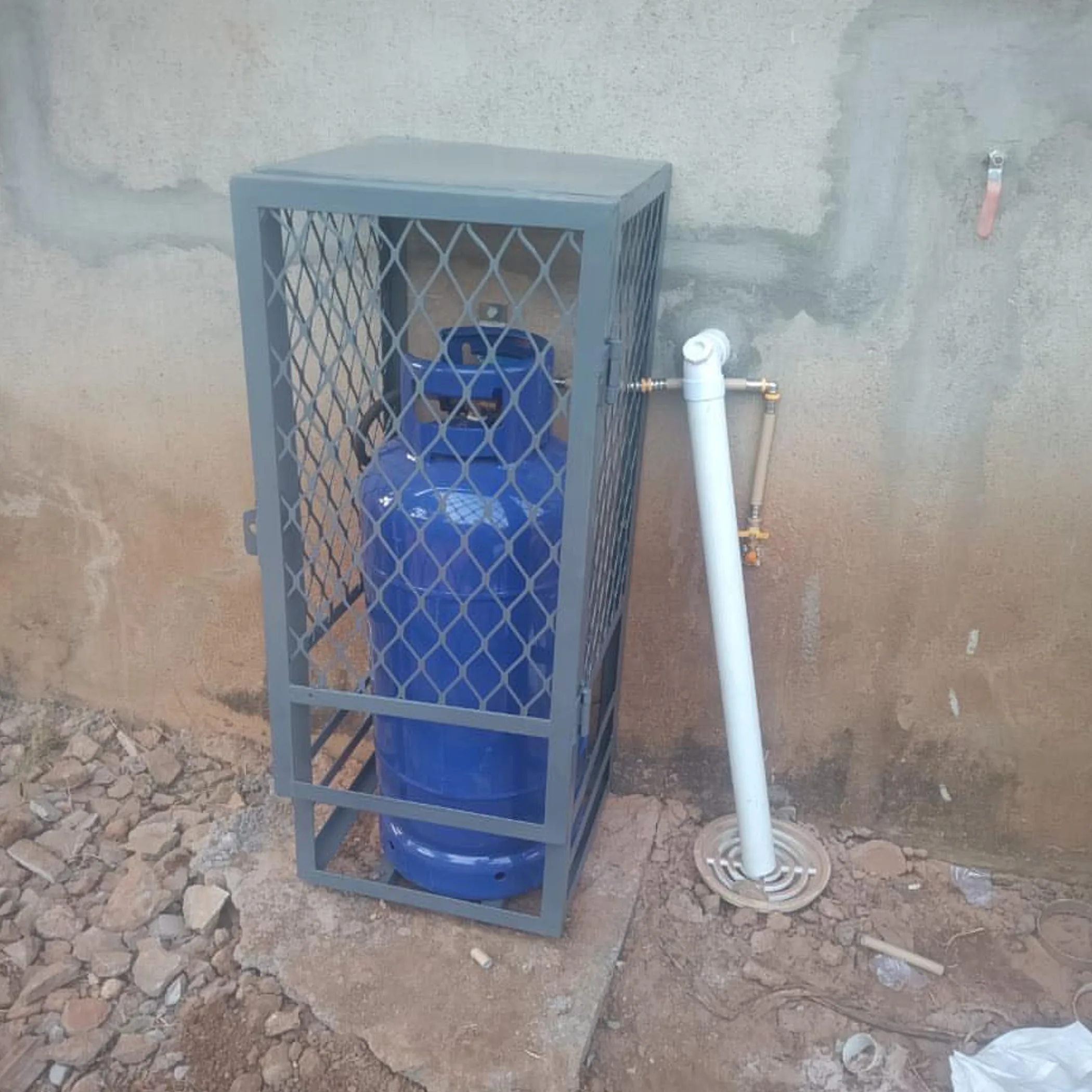
A connection is not a matter of just running pipe from the meter. The network will want to look at capacity, pressure and any disconnection or reconnection issues.
And while the internet will tell you all about the Australian Energy Market Operator and the Commission, their responsibilities are distinct from the state regulators. AEMO and the AEMC have their part to play in the energy market and rule making but they are not a substitute for the local gasfitter or network when determining if an installation can be connected.
Consumer And Supply Obligations
As for the Gas Marketing Code of Conduct, that is a consumer issue in the jurisdictions it covers, dealing with retail practices and the like, and has nothing to do with the technical side of an installation.
AEMO and the AEMC have their part to play in the energy market and rule making but they are not a substitute for the local gasfitter or network when determining if an installation can be connected.
Suspension And Abandonment
Finally, there is the matter of suspension and abandonment. When a service is put out of use or altered, the framework that applies will be a function of the circumstances and the jurisdiction.
Gas infrastructure is not to be altered, capped or taken out on a whim. Even a line that looks as though it is not in use can present a hazard and complicate any connection work down the track. Make sure you have the network’s or a professional’s written say so on the process to be followed.
Practical Steps For Owners
A property owner or business will find gas work less costly and safer by having the site and paperwork in order for the tradesperson. One does not want to come across an inaccessible meter, a flue that is blocked or an appliance without its plate at the halfway mark of an appointment; it is better to put those things right beforehand.
Compliance work does not have a national price tag. What one pays is a function of where the job is, the type of appliance, access, testing, parts, any excavation and certification needed, and if there are defects to be found. In a remote location the costs can mount with travel, accommodation and the logistics of getting parts out there.
What People Get Wrong
It is common for an owner to think a gas appliance is safe on the strength of years of service. Some will put their faith in a licensed plumber to do any gas work, or hold that a certificate from the landlord is good enough for a new tenant’s unit. Such assumptions are short sighted. Technical requirements and notification rules are not the same everywhere and neither are licensing categories. Verify the person has authorisation for the installation at hand and what documentation is to be handed over when they are done.
If You Have One Day
When compliance has to be put in place in a day, make safety and evidence your priority. Put an end to using any appliance showing scorching, soot, odd smells, a damaged flue or a pilot that will not stay lit. Should the supply be an issue, get in touch with the regulator or the gas network and put a licensed gasfitter on it.
- Have to hand the model of the appliance, the address, a gas bill, old certificates and some photos of the meter.
- Put to the gasfitter what standard applies, what they will test for and what they will put in writing.
- File the invoice, final certificate and test record along with any advice in a single spot for the benefit of an inspector, insurer or the next owner.
Compliance Checklist For Gas Work
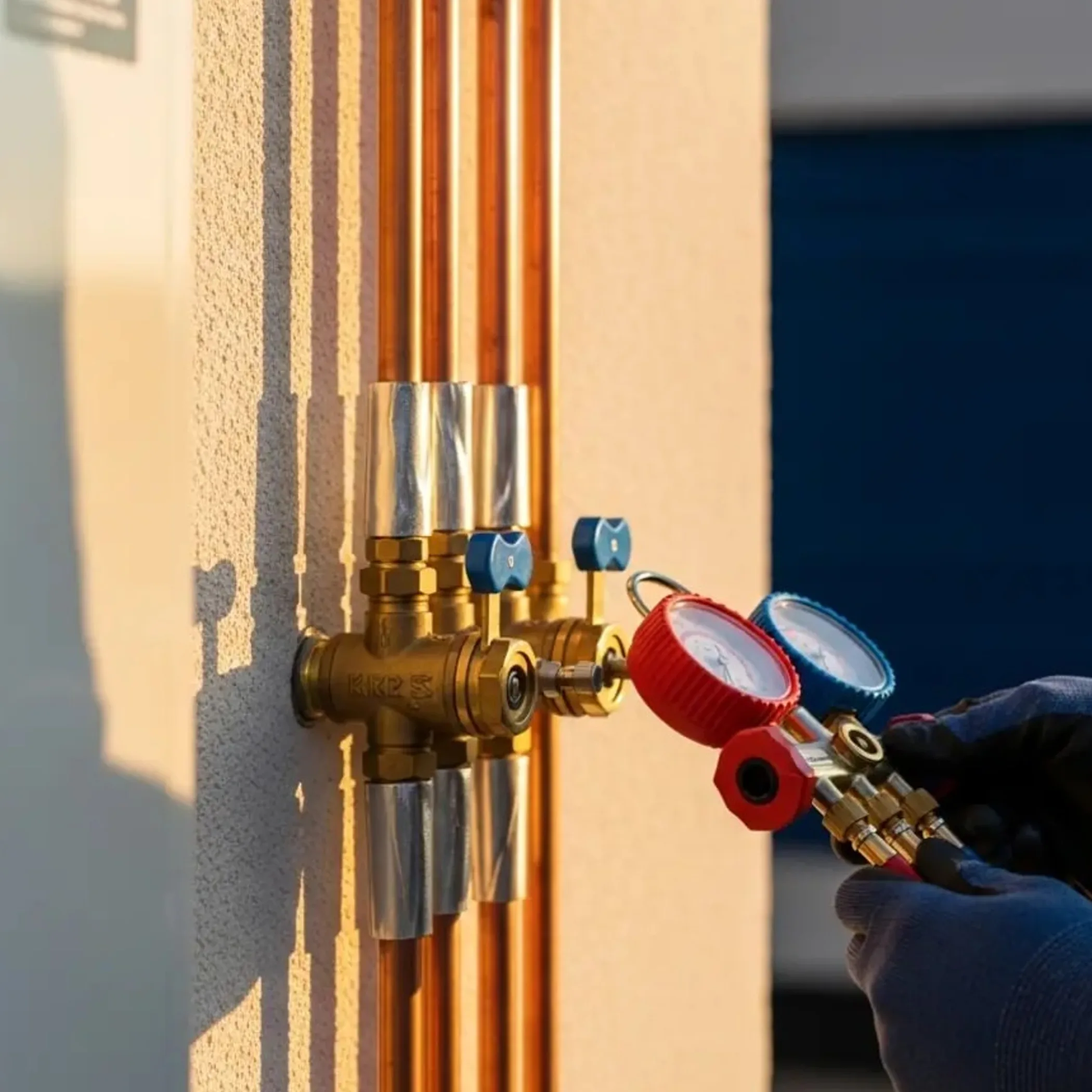
Homeowners, landlords and the like will find this a useful way to go about an inspection or replacement. It is a practical aid but no substitute for the advice of the regulator or the current standard. On a complicated premise it is for posing questions, not self certification. Gas compliance is not a weekend bushwalk where a map and some good intentions see you home.
For complicated premises, use the checklist to prepare questions rather than trying to self-certify. Gas compliance is not a weekend bushwalk where a map and good intentions will get everyone home.
- Confirm the intended use, location and the type of gas and appliance.
- Engage a gasfitter with the proper state or territory licence.
- Look at AS/NZS 5601, the rules of the state or territory and what the appliance calls for.
- See that ventilation, pipework, clearances, regulators and flueing are in order.
- Ascertain if the network wants reconnection, approval or an inspection.
- Check on fire safety systems and the compliance of the gas appliance.
- Get the commissioning records and compliance certificate.
- Put documents away and plan servicing per the manufacturer.
Frequently Asked Questions
The following are answers to the sort of things that tend to confuse people. The rule is to have technical work measured against the local authority and up to date documents.
2025/2026: What Are The New Gas Regulations In Australia?
You will not find a new national rule that covers all installations. The present situation is made up of network rules, state and territory legislation, technical guidance and updates to AS/NZS 5601 and the AS 4564:2025 gas quality requirements. See the network and regulator for the jurisdiction in question.
AS/NZS 5601: What Has Changed?
For anything of a complex nature do not go by a summary. The current edition and advisory notes will tell you how the changes may impact on planning, venting, flueing, pipework, testing and where the appliance is sited.
Are The Rules In NSW Any Different To Victoria?
They are. While the safety principles are of a piece, the two states have their own systems for administering gas installation requirements. Expect differences in the way the network and the state handle certificates, inspections and notifications.
Which Australian Standard Is Applicable?
AS/NZS 5601 is the standard most often seen in connection with gas installations but the type of installation will dictate the correct requirements. There are also building obligations, fire safety and state law to consider.
Is New Ventilation Or Fire Control Called For?
That is a matter for the room, the flue, the building and the gas input. A licensed gasfitter should be the one to make an assessment of the whole installation, not just the appliance, as some sites will need commercial ventilation or emergency isolation.
Does AS 4564:2025 Come Into Play?
In so far as natural gas quality goes, yes. It bears on the technical compatibility and suitability of the supply but is no replacement for AS/NZS 5601.
Do I Require A Licensed Gasfitter?
Any gasfitting or installation should be done by someone with the appropriate state or territory licence. Doing it yourself is a risk to safety and can lead to trouble with the insurers and compliance.
Safe Gas Work Starts Early
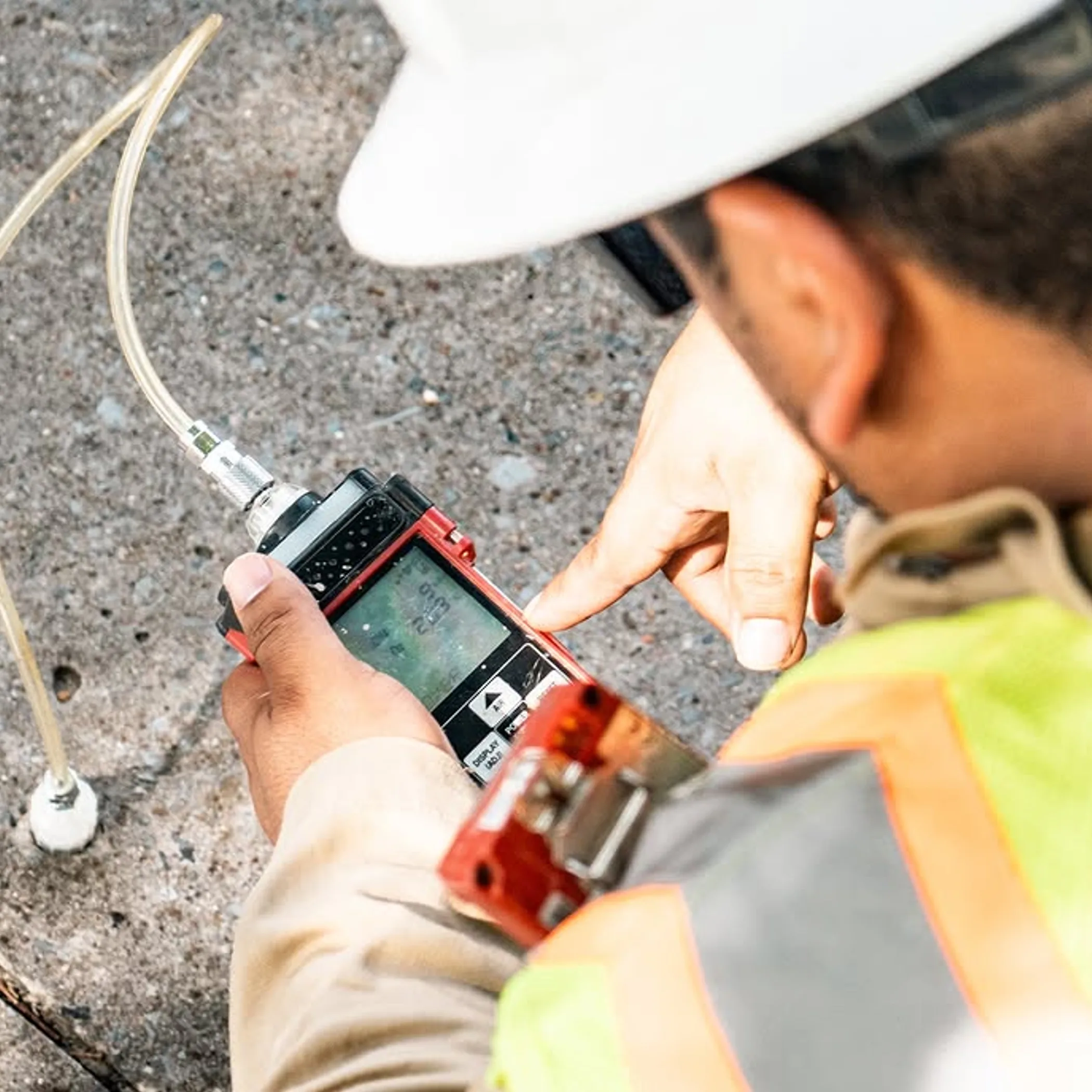
To get to grips with the 2025 2026 regulations and standards in Australia, view them as a system of national and local law, documented testing and network requirements. Determine the gas and appliance type and have a licensed gasfitter on board from the outset. Keep your certificates, heed the technical guidance and give due regard to flueing and ventilation. A little organisation now spares you a headache and an expensive surprise behind the dunny wall later.