2026 Australia C&D Waste What applies to C&D waste in Australia in 2026 will depend on the state or territory, the site of disposal, the nature of the waste and so on. There is not a national landfill levy to be had nor a construction waste permit that is universal. Projects are put to the test in having to deal with source separation, the transport licence, lawful disposal, tracking, council approvals and showing that material has been recovered through concrete demolition recycling practices.
Rhys McDonald’s guide puts the matter in perspective for construction and demolition waste in Australia. One should be aware of a caveat: the source data does not have the 2026 levy figures and these can be subject to change at the hands of government or by jurisdiction and facility. It would be unwise to put an unverified number in a project budget, contract or tender; before work commences the charge needs to be put to the receiving facility and the state authority for confirmation.
How the Rules Operate in Australia
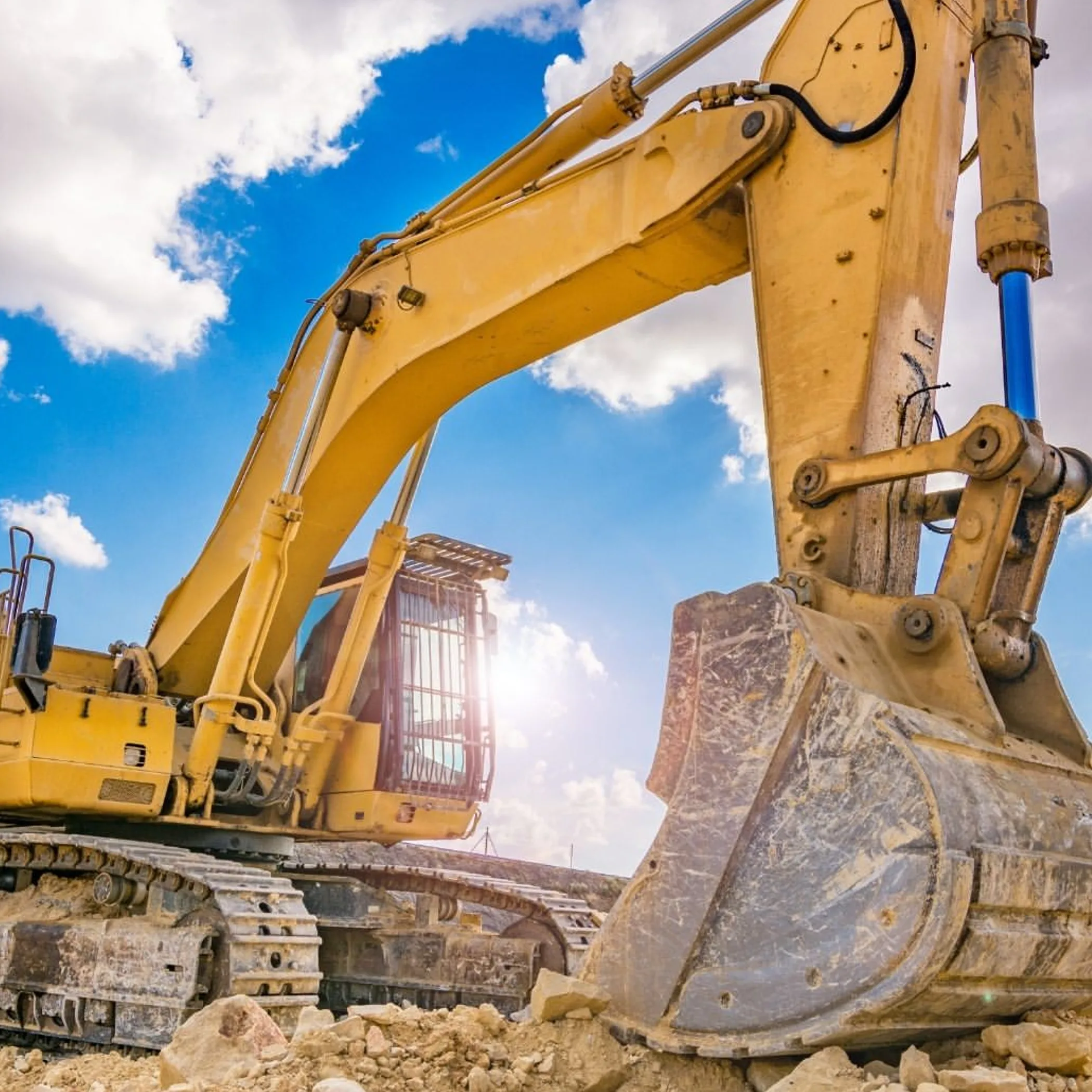
The system is predominantly one of state and territory control. The Commonwealth has its National Waste Policy to give broad direction but it is the state environment agencies that are on top of regulation when it comes to pollution risk, resource recovery, landfill and the processing and transport of waste.
One can be caught napping over the division. A contractor might have his council demolition approval in order yet contravene state law if he puts mixed building waste, contaminated soil or asbestos in the wrong place. The route a load takes is as much a part of compliance as the paperwork.
Local Duties and National Policy
While the Australian Government’s National Waste Policy sets the scene, it is no substitute for what is required at state or territory level. Teams on the ground have to make sure they are up to speed with the regulations at the worksite, along the transport route and at the point of final destination.
There are standard obligations: to separate out what can be recovered, to know what you are dealing with prior to demolition, to employ a licensed transporter and to hold onto your weighbridge dockets. Make sure the facility will take the material. In some cases local council will impose conditions on noise, dust, hoardings, road use and the hours of work.
Levy Position in 2026
When you dispose of certain waste at a qualifying landfill or facility a levy is normally levied. The operator or waste contractor pays it and the customer sees it in the disposal price. The figure can be different for metropolitan versus regional, for asbestos or other regulated and exempt waste.
We have set out a table for a sound comparison in 2026. You will find no made up AUD rates here as none were given in the brief. It is not as tidy a spreadsheet entry as one might like but preferable to basing a budget on the wrong rate.
| Jurisdiction | Primary Regulatory Focus | 2026 Levy Check | Practical Project Action |
|---|---|---|---|
| New South Wales | NSW waste regulation, transport, recovery and lawful disposal | See the facility category and current NSW waste levy schedule | Retain evidence of disposal and go with approved facilities |
| Victoria | Lawful waste transport, resource recovery and duties | Verify the Victorian waste levy and how the material is classed | Have recoverable materials separated for transport |
| Queensland | Regulated waste, waste tracking and disposal levy | Exemption, waste type and current Queensland levy zone | Book disposal only after checking Queensland requirements |
| Western Australia | Landfill disposal, recovery pathways and Waste Authority | Metropolitan or regional arrangement as applicable | Put on record the outcomes of WA construction waste recycling |
| South Australia | Licensed activities, resource recovery and waste diversion | The current South Australian disposal charge | Inquire of the facility on pricing for loads that have been separated |
| Tasmania | State and local controls | Any levy and the fee charged by the local facility | Council and facility rules must be checked first |
| Australian Capital Territory | Resource recovery and territory controls | Charges for the facility and ACT disposal | Transport and destination records should be kept |
| Northern Territory | Remote logistics, council facilities and controls | What the receiving facility is charging | Factor in wet season and the long haulage |
Compliance in New South Wales
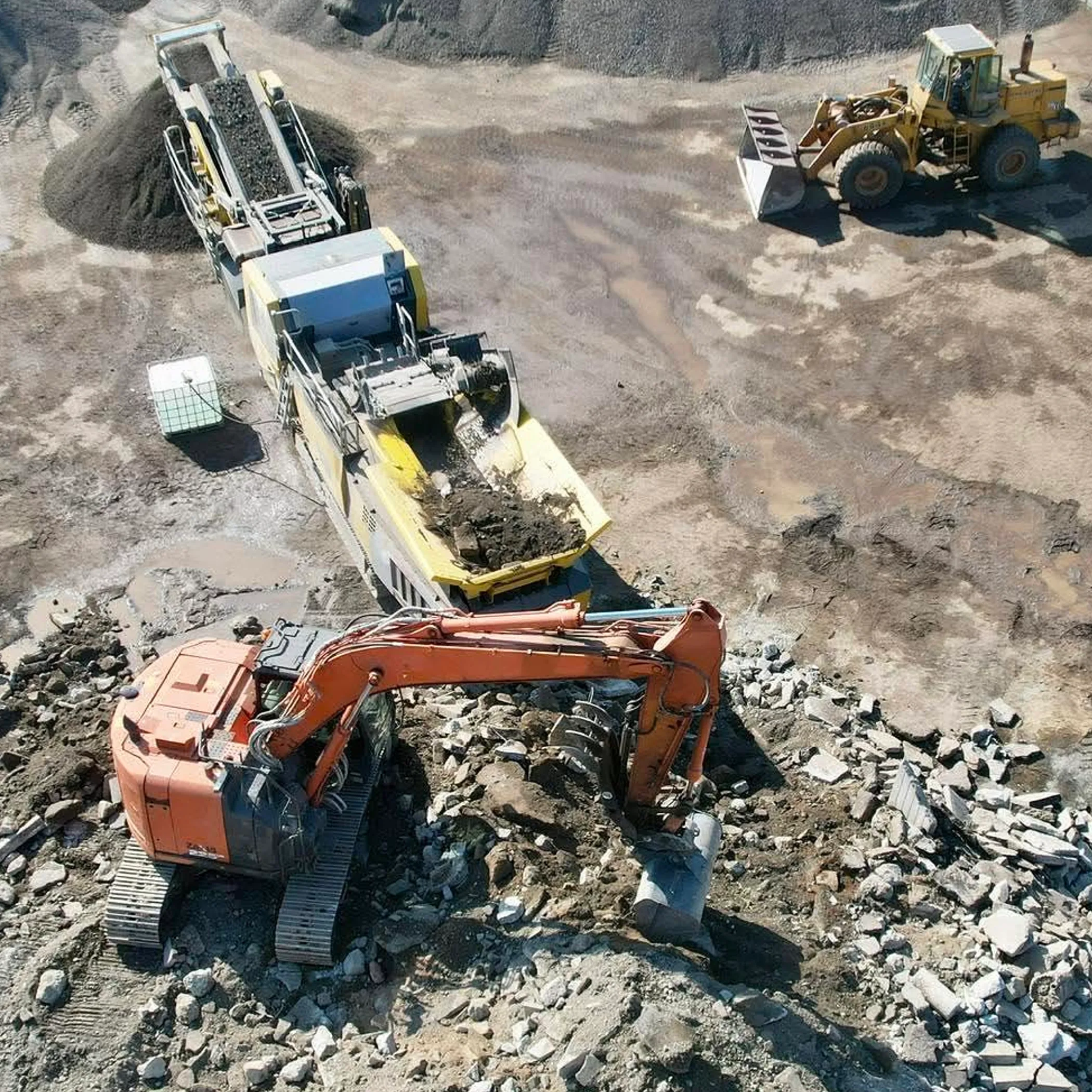
For any checks on disposal, transport or classification in NSW, the Environment Protection Authority is where a project should begin. The commercial side of the NSW waste levy in the case of regulated facilities is a function of the type of waste and what the schedule dictates.
In the course of demolition planning concrete, metal, bricks, clean timber, glass, plasterboard, excavated soil, asbestos and the like need to be called out. The recovery path for a load of clean concrete is quite unlike one that has a mix of insulation, treated timber and food waste in it. You will not see a truck driver work any miracles at the gate when he has to put good material in with the bad.
NSW Sites: What Gets Them In Trouble
There is a tendency to think that a waste exemption travels with the material, but it does not always do so. That is a frequent error. A given material might be fine for reuse under controlled circumstances yet be turned away by another facility on account of its end use, chemical make up, particle size or contamination.
It is best to have the project file in order before you start demolition. Make sure you know what evidence is required and what the acceptance criteria, transport and destination are. Retain test results, dockets and photographs of source separation and load descriptions; should an auditor, client or regulator want to know where the material has been, these records put the project in a position to answer.
Victoria’s Rules on Waste and Recovery
The emphasis in Victoria is on the lawful side of construction waste management: classification, recovery, transport and handling. As for the 2026 waste levy, the charge is contingent on the disposal pathway and the material, so one would do well to check the figures with the Victorian government or the facility.
Recycling ought to be part of the demolition sequence in Victoria, not something left to the last minute as a form of tidying up. Put in the effort to separate out the metals, masonry, timber and the like while the site is in order and take out fixtures that can be put to use. After a few trades have put their stuff in the same skip it is more costly to deal with and less easy to recover.
Know The Load Before You Put It On
Put three questions to the facility: what will you accept, what are your limits on contamination and what sort of evidence will you provide? Find out if the price is determined by weight, volume or some mix of the two.
On a big project, have someone in charge of waste movements to see that every load is accounted for and the docket is kept. Have that individual look into any discrepancy between what was estimated and what was actually there. “General rubble” is the kind of imprecise wording from which many a budget blow-out originates.
Queensland: Levy And Tracking
Under Queensland’s environmental framework the waste disposal levy is in force for certain activities in prescribed areas. To be sure of the 2026 levy and any exemptions or rules on regulated waste, consult the Department of Environment, Science and Innovation.
When waste is being moved across council or levy lines in Queensland a degree of caution is called for. Once you factor in the cost of transport, tracking and contamination the most economical facility may not be the one the law allows. For remote work there are the added complications of wet weather, road closures and longer routes back.
Do Not Treat Waste Tracking As A Formality
What is written on the transport record had better correspond with what is in the vehicle. Should testing put a different classification on a load, get the documentation updated and let the receiving facility know ahead of time. Project teams would be wise to be familiar with the 2011 Waste Reduction and Recycling Act and Regulation in Queensland, but verify the legal text and operational guidance before one puts too much stock in an exemption.
WA, SA, Tasmania, ACT, NT
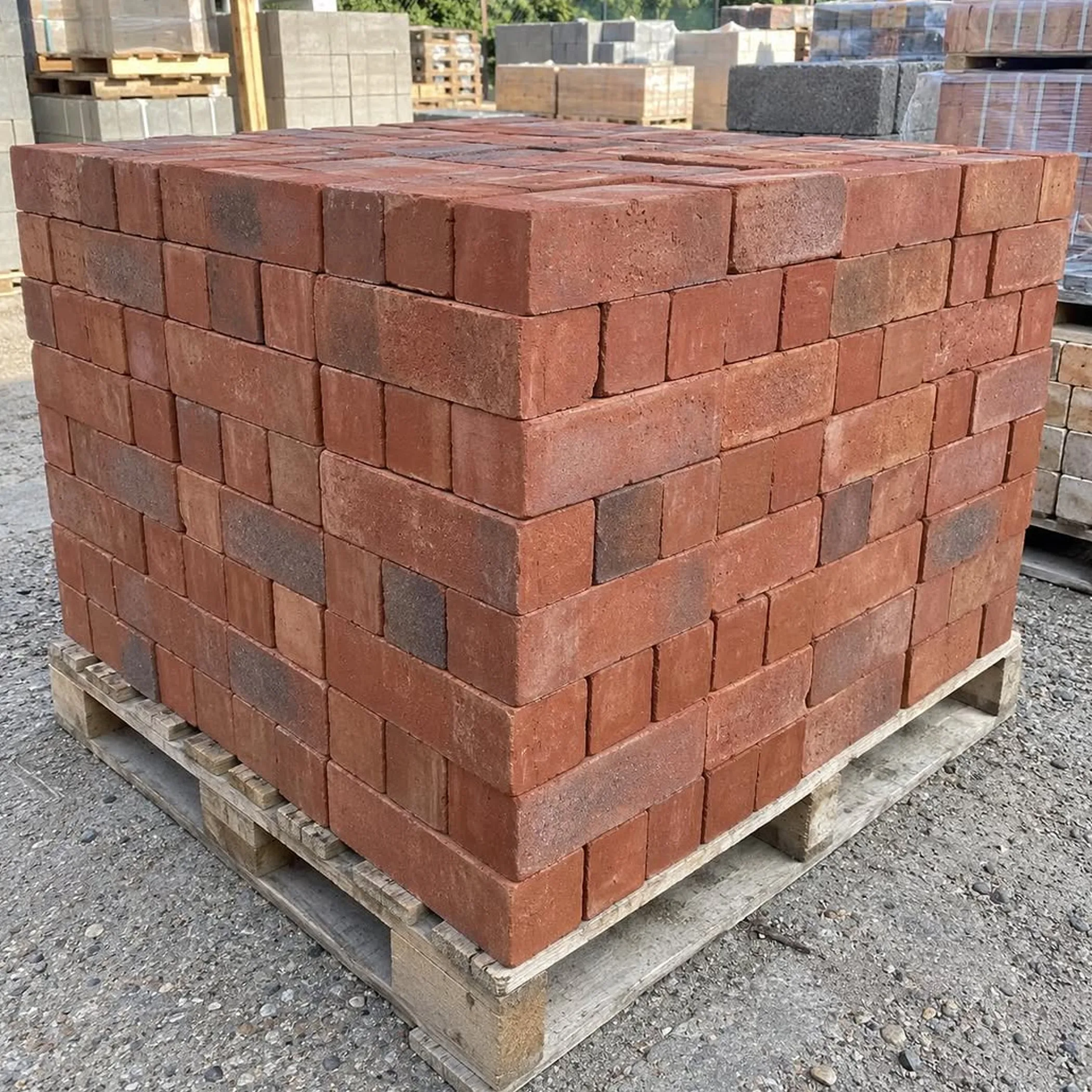
In Western Australia, South Australia, the Northern Territory, Tasmania and the ACT you have state or territory controls overlaid with the rules of the local facility. Do not make the mistake of thinking what works in Brisbane, Sydney or Melbourne will be as straightforward in Hobart, the Pilbara or the Top End.
Western Australia has its own recycling pathways for construction waste; the information from Waste Authority WA and their acceptance rules should be reviewed. The Roads to Reuse program could come into play for civil or road works using recovered material, provided the conditions for approval and testing are met.
Logistics In The Regions
The numbers are different when working in regional or remote areas. Haulage, fuel, the condition of the roads and driver time can eat into a low disposal charge if the recycling plant is a long way off. Up north in the NT cyclone warnings from November through April and the wet season will have an impact on access and how transport is planned.
Prior to demolition, projects in South Australia and Tasmania need to have the council requirements and material acceptance confirmed with the facility. In the ACT, have clear records of each load and be certain the destination will have the material as residual or recoverable.
Think of it as a trip down the Stuart Highway: getting to the destination is only part of it. Whether the plan holds water is down to the return route, access and the like.
Construction Compliance
The purpose of a site waste management plan is to give daily direction in place of broad regulation. It lays out the waste streams and where they are headed, who the contractors are, the quantities to be expected and where separation takes place.
In my early days of putting together practical route notes for people in Tasmania I would see one and the same error over and over: they had the destination in mind but made no allowance for how to get there. Construction waste is not any different. You can have a recycling target but it is of little value if the means to realise it, be it bins, transport, space or labour, are not in place.
- So make sure you have your approvals from the local council for demolition, road occupancy and planning.
- Do a classification of probable waste prior to commencing work, asbestos and regulated waste as well as any contaminated soil.
- And put in place licensed transporters where the jurisdiction will have them.
- Set out stockpiles or separate bins for what can be recovered, metals, clean timber, concrete and the like.
- See what the facility’s rules are on acceptance and contamination, find out their hours and what they are charging.
- Put down on paper the weights, dockets, recovery outcomes and where the transport is going.
- A load should be inspected before it is sent off; do not let an obviously contaminated one through the gate.
- Make the subcontractors understand who is on the hook when a clean load is turned into mixed waste.
Separation to cut levies
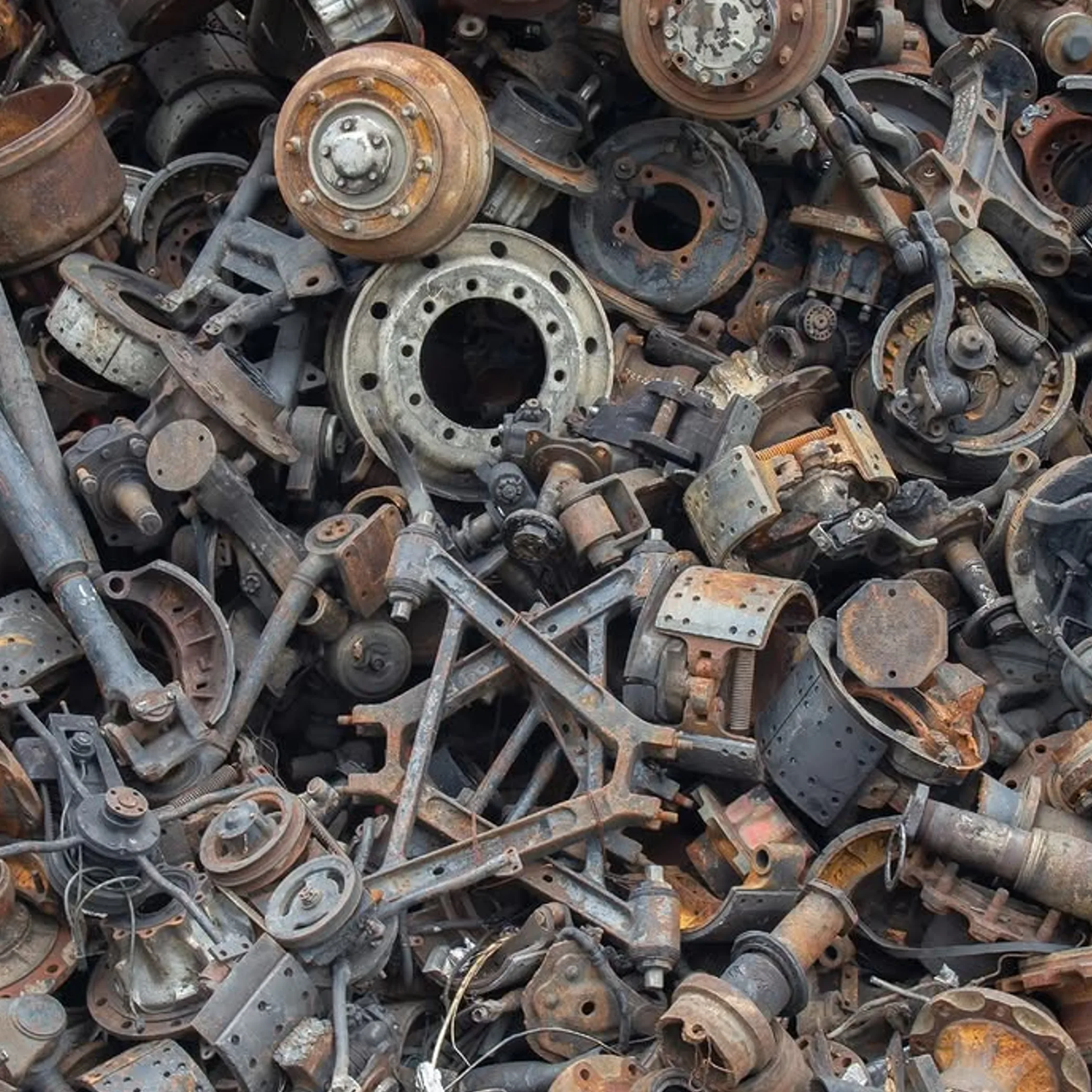
Source separation will lessen the volume heading for landfill and could open up some lower cost recovery options. One cannot count on the saving given that equipment, labour and facility fees are still to be paid, but a clean stream has more value than mixed building waste. Concrete and bricks might be crushed or put to reuse, metals to a scrap operator. Treated timber is a different matter to the clean stuff. What happens with excavated soil will depend on its condition and the receiving end.
The reality versus what one might expect
It is easy to think recycling is a way to make or save money on every material. In fact sorting, testing and processing can be an expense. The commercial sense is in the whole chain, not just the levy figure. Nor does a logo on a contractor’s site amount to compliance. That is a matter of evidence, lawful destinations and the loads themselves. Request a licence if needed and some recent dockets and get an account of how they deal with a rejected load.
A sound approach to concrete demolition is to have it in hand before the excavator turns up. Nominate the facility, plan your stockpiles and keep the soil from mixing. Should a day be all you have to put a site in order, the waste audit, bin layout and instructions to the contractor are where you should focus to head off the most avoidable charges.
Frequently Asked Questions
What Are Solid Waste Rules In 2026?
Under the state or territory framework of 2026 a project must see to the lawful management of waste. That entails record keeping, source separation, tracking and proper disposal and transport. The specifics are a function of the facility, the location and the quantity of material.
Queensland’s 2026 Waste Levy
I have not been able to supply the exact figure for the Queensland levy from the data at hand. It varies with the type of waste, the area and any exemption. Before you put a price on the work you should check with the receiving facility and the Department of Environment, Science and Innovation in Queensland.
New Recycling Rules
Do not look for a national set of rules for Australian construction sites. Jurisdictions and materials differ. But the direction is plain: better source separation and recovery, no illegal dumping and evidence of where the waste has been.
Victoria’s Current Levy Rates
These should be verified with the official Victorian figures and the charge schedule of the facility. The rate is subject to the disposal pathway and classification of the waste. An old tender or a rate from another state is no guide.
Is There A Way To Avoid A Levy With Mixed Waste?
Not as a rule. Mixed waste is a higher risk and likely to run you more. Exemptions exist for some things but they are particular and need to be put beyond doubt. A misdescribed load is asking for trouble on a regulatory or contractual level.
Compliance in the planning stage
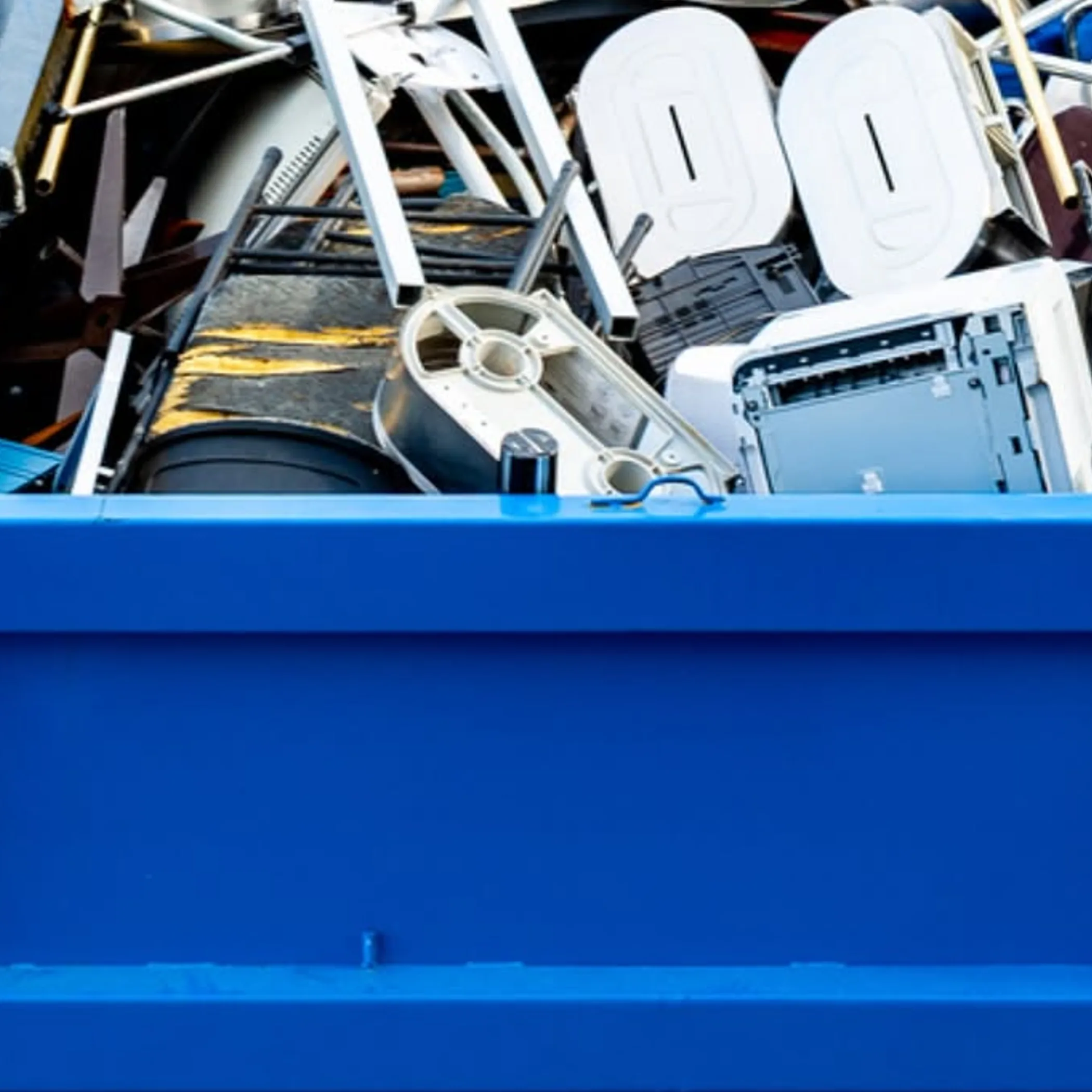
As for Australia’s C&D waste levy in 2026, it is a patchwork of requirements from the states, councils and facilities, not a national price list. The prudent thing is to classify and separate the material, know the rate and have your evidence for each load.
Rhys McDonald would tell you the rule is as I found after years of helping travellers contend with the weather and bad footwear: check your conditions before you go. On a building site you check the waste rules before the first truck makes its move.