Seasonal Lawn Care Australia
There is a simplicity to seasonal lawn care in Australia if one is attuned to the soil and grass variety at hand and the weather. What you do on a frosty morning in Melbourne will be different from your routine in a dry Perth summer, a wet Hobart winter or the humidity of the Top End.
In this guide I put forward a no-nonsense schedule for the year ahead that addresses mowing height, deep watering, pest checks, weed control and any repair work required. I am Rhys McDonald and make my home outside Hobart; out here lawn maintenance is as much about mud and moss as it is keeping a border collie from making short work of it before lunch.
The rule of thumb is not complicated: let the growth dictate the mowing, the rainfall the watering and the type of grass the feeding. Do not work soil that is saturated or under heat stress. With the various climate zones in Australia, a set piece of a calendar has merit only in so far as you can tailor it to local conditions.
Build A Lawn Care Routine
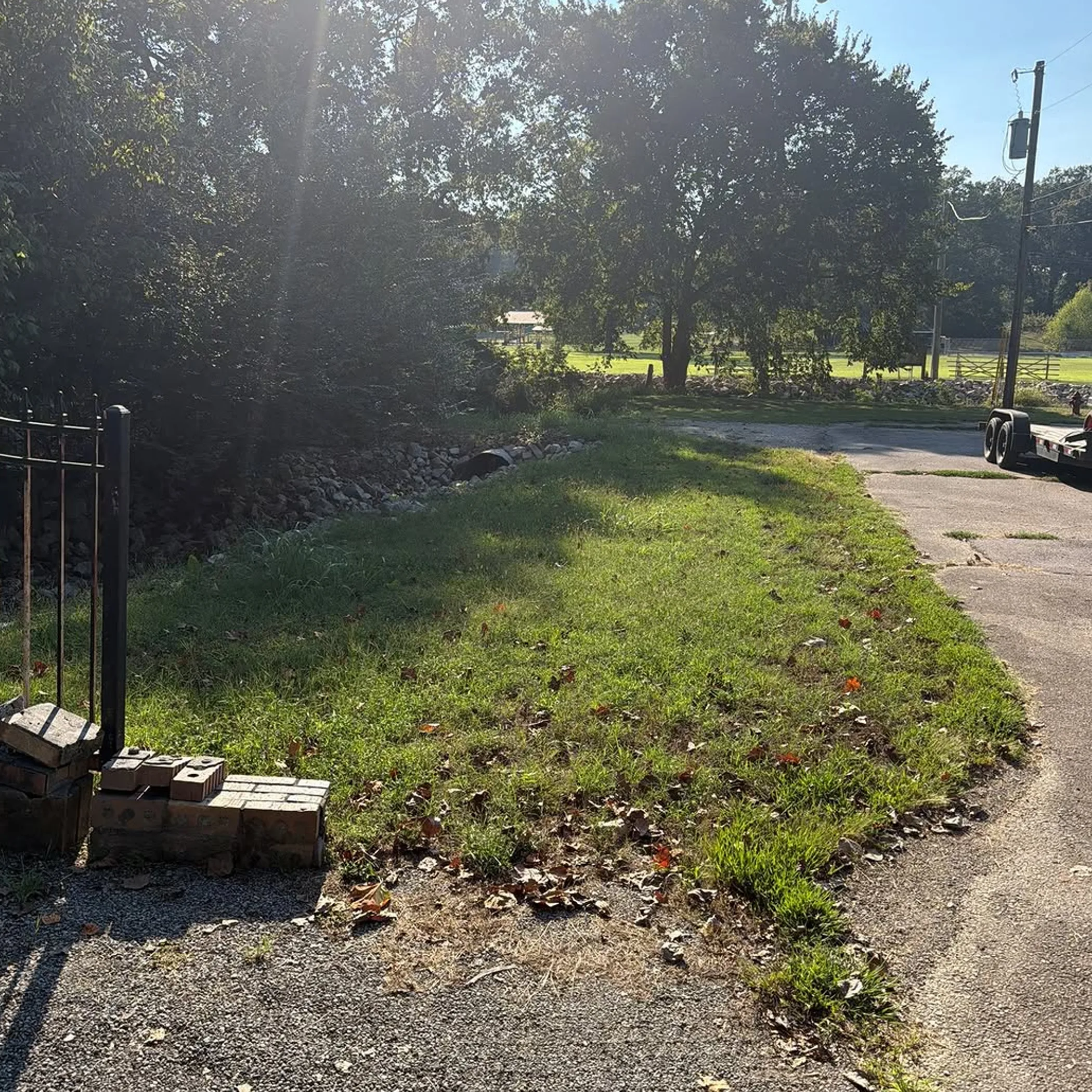
You need a sensible routine to save time and keep small issues from turning into costly repairs. For more seasonal outdoor cleaning advice, it does not call for a shed full of gadgets, just a mower in shape with a sharp blade, a hose or sprinkler, some good lawn fertiliser and the discipline to have a look at the grass before setting to work.
Have a word with the forecast before you start. Fertiliser applied ahead of a downpour is lost to the street and mowing in advance of heavy rain will put ruts in the lawn. Then walk the grounds and check for bare or wet spots, compacted earth, weeds and the like.
Start With A Simple Inspection
Make it a point to put in a weekly walk of the lawn when it is in active growth. You may find mushrooms, pale blades, uneven patches, water being repelled or footprints that do not seem to go. More often than not these are indicators of compaction, shade or poor drainage and not an argument for more fertiliser.
If you can, measure the rain. One millimetre is roughly 1 litre per square metre, so 10mm over 20 square metres is in the order of 200 litres. A handy way of putting it that makes the whole business of watering in Australia less of a mystery and keeps you from doing too much of it.
Revive Growth Before Summer
The object in spring is to get the roots ready for the heat and mend what the winter has done without rushing it. Some would be inclined to mow hard and put on the fertiliser and water daily. But that tends to give you soft growth with shallow roots and a lawn that will wilt once summer is upon you. Hold off on a strong feed until the grass is truly growing; in the south a fine afternoon is no guarantee the roots are up for it and in cooler climes the soil can be cold and wet for most of the season.
Repair Bare And Thin Areas
Put the rake to any dead material and leaves and see what the soil is like. Should you find water standing there, put right the drainage before you think of turf or reseeding. For lawns that are put through their paces by children or an over-zealous dog, aeration will do wonders for the compaction.
A few bare patches can be fixed by loosening the topsoil and adding a blend of seed to match your climate. Keep it moist while the seed puts down but do not make a swamp of it.
Adjust Mowing Height Slowly
As the growth comes back, mow more often but take no more than a third of the leaf at a time. If the lawn has been left long over winter you are better off with a number of lighter cuts than to scalp it in one go. Buffalo should be cut higher than Couch and while Kikuyu can stand up to summer it is not kind to be scalped repeatedly. Make sure the blades are sharp, a ragged edge looks poor and dries out faster.
Protect Grass From Summer Heat
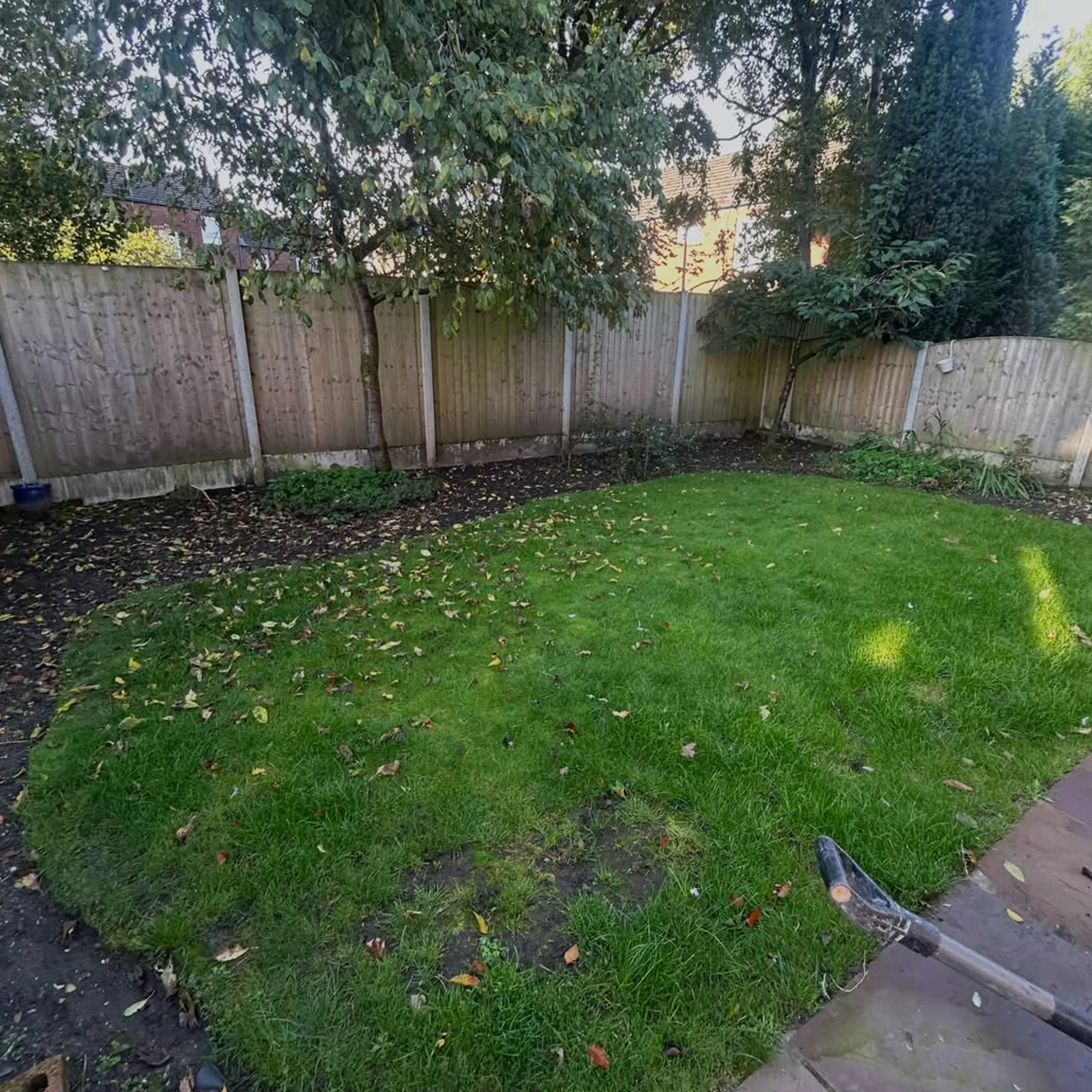
When summer rolls around the focus must be on managing the heat and mowing with some sense. The best lawn is not always the greenest, but the one that can handle the foot traffic and lack of rain. Water in the morning if you can so the leaves have the day to dry and evaporation is kept to a minimum. In extreme heat, respect the local restrictions and put the established roots first.
Water Deeply And Less Often
This is what gets the roots to put down in the soil instead of staying near the surface. Let the water in at a pace the soil can take. Should it start to make for the footpath, put a stop to it and let it soak before you go on with it.
To get an idea of how much has been applied, employ a rain gauge or some straight-sided vessel. Do not rely on the sprinkler alone; they have a way of making the centre of things soggy while leaving corners to dry out, so measure the depth in more than one spot. A soil wetter is useful for getting past hydrophobic soil but will not do anything for severe compaction or where drainage is lacking.
Established grass does not require as much of your time as seed that has only just germinated or turf newly put down. One should judge by the moisture at root level and not the colour of the surface. After a passing shower the lawn may appear green yet the deeper soil is as dry as bone, or it can seem arid on top with the root zone still damp.
Mowing in Hot Weather
In times of heat and drought it is well to set the mowing height a little higher. The extra leaf area will put some shade on the soil and allow the plant to put out more energy. Steer clear of mowing when the day is at its hottest, if the lawn is already showing signs of wilting.
Wet clippings have a tendency to clump and the wheels will slide, not to mention the risk of compacting the soil with the mower, so do not mow wet grass if there is any way around it. And if the lawn is littered with clippings, put them out of the way; thick mats are no good for letting in air and light.
Dealing With Summer Pests
After a spell of warm weather look for the tell-tale irregular brown patches of lawn armyworm. The roots can be put to rights by African black beetle larvae which will leave the turf loose and easy to lift. But first identify what is causing the problem and see that whatever product you use is in order with local regulations and your grass.
When you are applying a treatment, put on some eye protection and appropriate clothing and enclosed shoes. Make sure children and pets are off the premises for as long as the label says. There is no point in a quick chemical fix if it means an outing to the vet or emergency room.
Autumn: Time To Put Roots In Order

The sort of work done on an Australian lawn in autumn is what separates a survivor from a patchy, weak one come winter. Growth might be less, but the roots are amenable to better soil health and less stress. It is also when one can put right any summer missteps. Clear away thatch, put in hand with drainage and any compaction before the winter rains lay bare all your shortcomings. I find the first heavy rain of autumn here near Hobart has a habit of pointing up the spots I let go in February. Grass makes a fine accountant.
Fertilising For Consistent Results
Your plan for fertilising should be in keeping with the variety of grass and the temperatures in the locality. Buffalo, Couch and Kikuyu being warm-season grasses will generally respond to feeding when they are growing. Cool-season types, particularly in the south, call for a different schedule.
A slow-release type of fertiliser will give you more even nutrition than something with a quick release. Adhere to the instructions on the label for application and watering. Excess nutrients will only burn the grass and lead to runoff, promoting weak growth; more is not necessarily healthier.
Getting Ready For The Cold
You can keep mowing as the lawn grows but do not cut it too short in readiness for winter. That leaves the soil open to frost and weeds and the grass with insufficient leaf to make energy.
Weed control is another matter for autumn. Hand pick the smaller ones or apply a treatment once you have verified the weather and the grass type and read the instructions. Pre-emergent herbicide has its place in stopping some weeds but it is not a panacea and can stand in the way of seed you want to germinate.
Winter Protection
For the most part winter lawn care in Australia is about protection. Warm-season lawns tend to become dormant as the temperature drops, cool-season grass in milder climes may not.
If the ground is wet or under a frost, limit traffic. Repeated walking over it is compaction and a mower on soft soil will put down tracks that will be there for months. The lawn is not being difficult, it is merely avoiding becoming a bog.
Tending Dormant Grass
Only mow if it is dry and putting on some growth; a dormant lawn hardly requires it. Where fallen leaves have made a thick layer, put them out of the way to preclude disease and thinning from the lack of light and trapped moisture.
Holding off on a strong summer fertiliser for a dormant warm-season grass is best until the conditions are right for it to grow. In places where frost is common, stay off frozen blades, the brittle leaves will break and be slow to put themselves to rights.
Manage Moss And Drainage
You will find moss in the lawn where it is thin, damp or in the shade. A rake will do away with what is on the surface but for a lasting fix one needs to see to the drainage and light, aerate and put down the right kind of grass. In a spot that is in permanent shade, turf is not going to do well.
Winter is for planning. Take the time to sharpen the mower blades, give your equipment a clean, put in order any sprinkler fittings and make note of problem areas. It is an opportune moment to look at local rainfall and your watering routine in Australia and put a finger on where water is being squandered.
The Annual Lawn Calendar
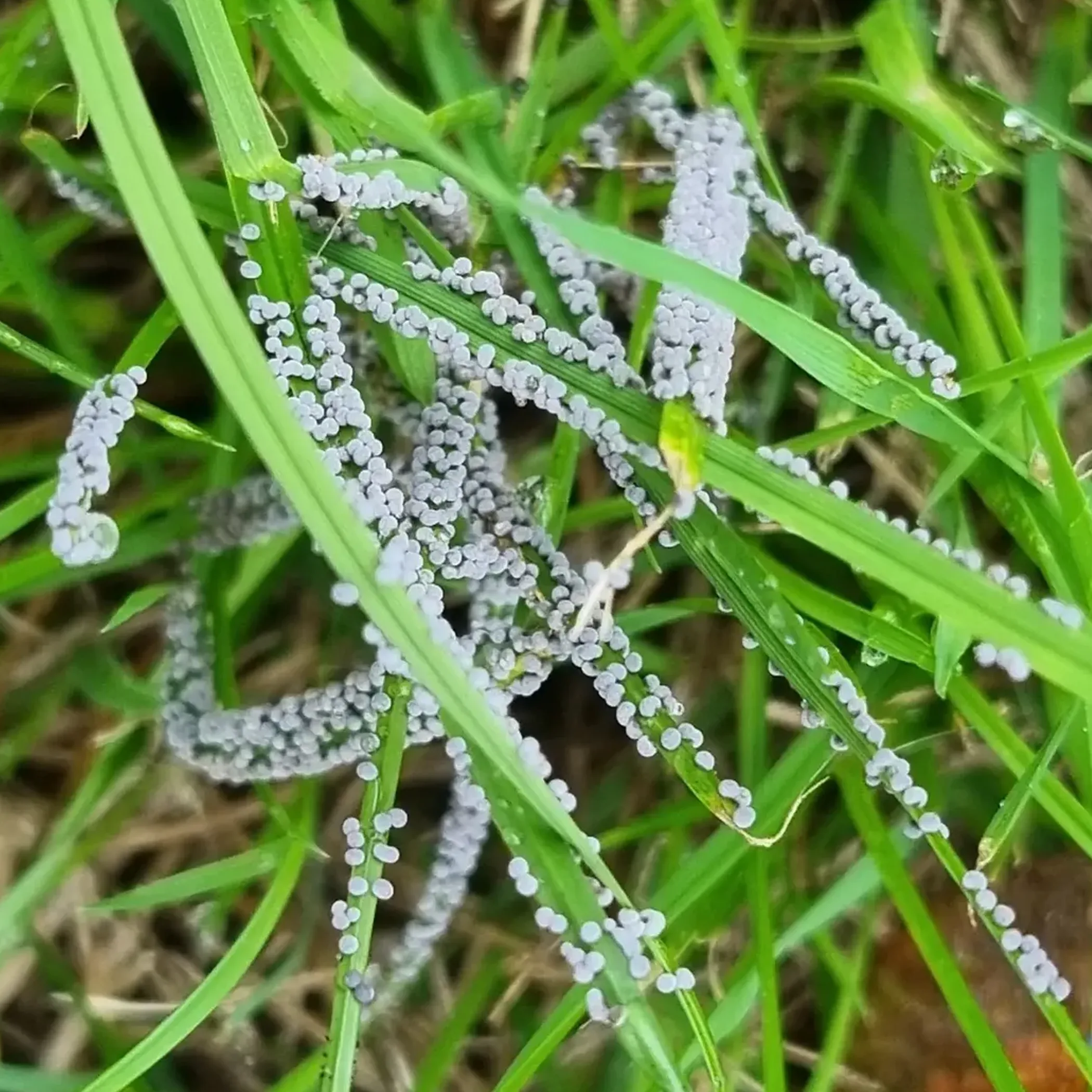
Our overview of an Australian lawn care calendar is a good place to start on a month by month basis. But when it comes to the figures on a bag of fertiliser, let them be superseded by the reality of local frost, temperature, water restrictions and so on.
| Month | Priority Jobs | What To Watch |
|---|---|---|
| January | Watering should be done in depth and mowing at a sensible height; have a look for pests. | Watch for drought stress, mowing damage, evaporation and the heat. |
| February | Put in some small repairs to worn spots and keep the soil moist. | African black beetle and lawn armyworm can be active, as can dry soil. |
| March | Start getting ready for autumn and ease the heat stress. | Any summer damage will be apparent along with compacted soil and less rain. |
| April | Time to apply feed and deal with thatch, and to aerate. | Weeds are coming up and the nights are cooler. |
| May | With growth slowing down mow less and put in order any heavy leaf cover. | Moss, early frost and ground that is waterlogged. |
| June | Keep off the dormant grass. | Saturated soil, ruts from the mower and frost. |
| July | Plan your repairs and see to the equipment and drainage. | There is little growth to be had in the persistent shade and moss. |
| August | Check the irrigation and get things in order for spring. | Wet soil and the odd late frost may bring on some weeds. |
| September | Do some mowing in a measured way and mend bare patches. | Soil compaction and unevenness. |
| October | Spring feed and more frequent mowing. | Irrigation coverage, weeds and the quickness of growth. |
| November | Be more attentive to watering and watch for pests. | Brown patches can appear in a hurry with the heat and evaporation. |
| December | Set the mowing height and brace for the summer. | Foot traffic, water restrictions and heatwaves. |
One day is all you need if you make three jobs your priority: mow properly, check the moisture in the soil and any pest or drainage issues. Let the lawn get into better health before you bother with cosmetic edging and the like.
Grass And Climate
What sort of grass you have is of consequence as they do not all take to cold or heat in the same way. A routine that is fine for Couch grass in Perth would have Buffalo grass in Melbourne under stress and be no use at all on a cool-season lawn in South Australia.
In Australia’s various climate zones you have to observe what is happening. The Top End has its wet and dry times, northern WA gets cyclone alerts from November to April. Down south there are cold winters and stretches where warm-season grass will come to a halt.
Warm-Season Grass
Buffalo is amenable to a bit of shade and is a family lawn favourite provided the mowing and drainage are in order. Then there is Couch which likes the light and will put on a dense surface in the warmth. Kikuyu is vigorous and calls for edge control and regular mowing.
These are at their best when the soil is warm enough for it. They can go dormant or turn colour in the cold, though that is not to say the lawn has died.
Cool-Season
This type of grass will be productive in the cooler months but the Australian summer can be too much of it. For higher elevations or in Melbourne the spring and autumn are key.
Make sure your seed, turf and fertiliser are suited to the region. A word from the council horticulture service or a turfman of repute will save you from an expensive error.
Some Lawn Care Errors
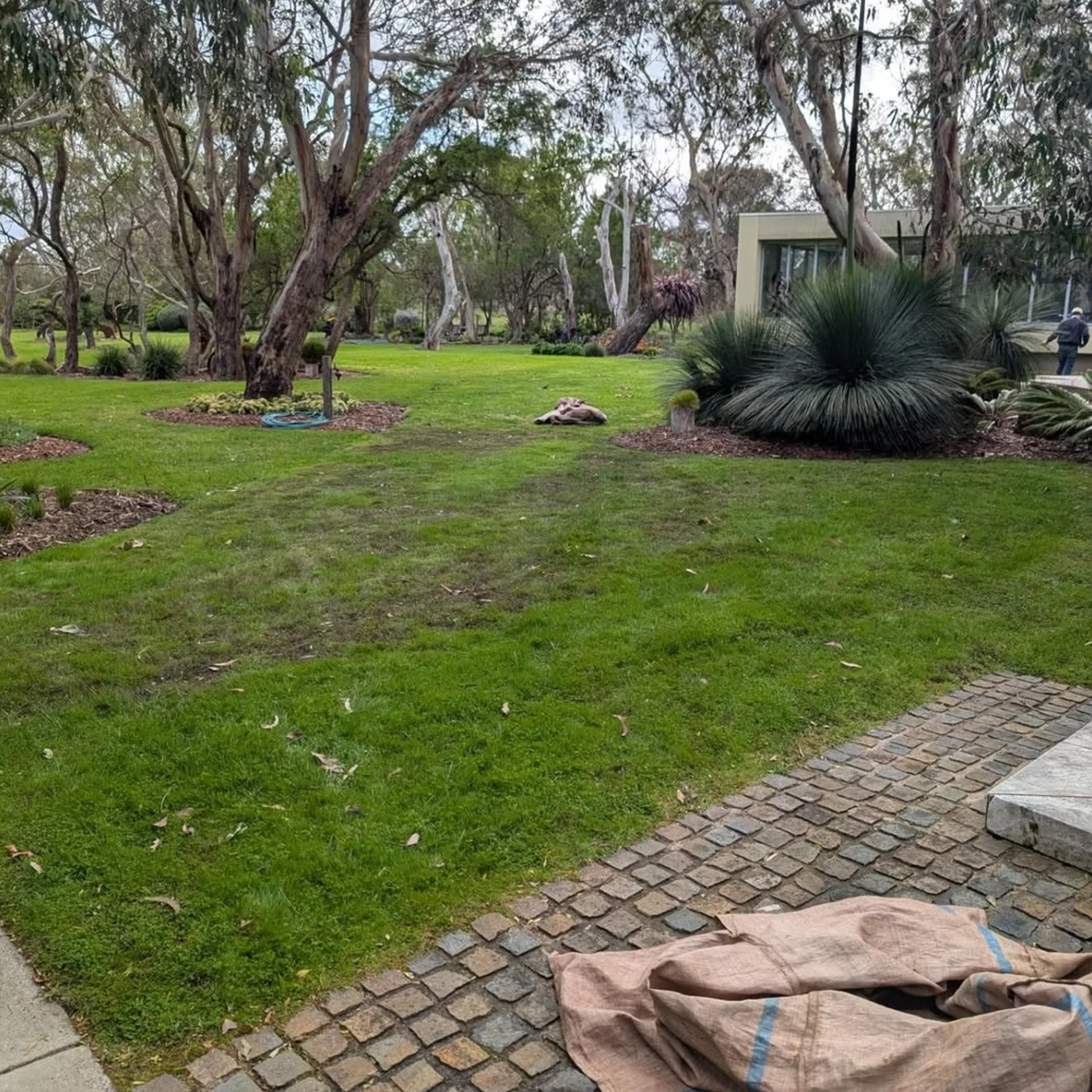
Inconsistency and poor timing are behind most of the trouble, as is addressing symptoms instead of the cause. It is easy to be tempted to buy something stronger when the grass is unsuitable or the soil is compacted.
It is a mistake to think a green lawn is necessarily a healthy one. Something with deeper roots will stand up to dry weather better than fast, soft growth that is more vivid but requires more in the way of mowing and water. And never take off more than a third of the leaf in one go. A light shower is no reason to put the watering on auto; inspect the root zone before doing so.
- Refrain from putting heavy fertiliser on grass that is dormant.
- Saturated soil and any frost on the grass are to be left alone by the mower.
- Before you set about treating a brown patch, make sure it is not due to pests, pet urine, disease, poor drainage or too much shade.
- Heed the product label and any water restrictions in the area.
Then there is the matter of expectation as opposed to reality: one does not get a perfect lawn in every Australian season without some change of colour or wear and tear and time to recover. A cricket oval next to the dunny is not what one should be aiming for; healthy roots, good coverage and weeds under control are more realistic.
Work with Safety and Efficiency

Personal safety, your equipment and access are part of good lawn care. Hoses should not be left across paths, fuel stored where it should be and mower guards checked. Powered equipment has no place out in lightning, when visibility is bad or the heat is extreme.
Make a plan for mowing. Put the toys, stones and branches away, see to it the pets are inside and have a clear way back so as not to have to reverse at a blind spot. On a bigger lawn, work in sections and vary the direction to spare the soil from compaction and wheel lines.
Don’t forget enclosed shoes and the necessary eye and hearing protection. In hot weather take a break and some water, do not labour in the direct sun at the height of the day. The Australian Bureau of Meteorology will tell you what to expect in the way of heat, rain and storms before you head out.
Lawn Care: Some Frequently Asked Questions
You will find many an Australian homeowner tripped up by these questions, in part because the same old advice is proffered regardless of climate or the type of grass. What follows is a sound basis for your answers but local conditions must be taken into account.
Winter care in Australia?
Mow with less frequency and stay off areas that are saturated or have a frost on them. Dormant grass should not be cut. If there is a lot of leaves put them to rights, watch the moss and put in better drainage if water is tending to sit. In milder climes cool-season grass will keep on growing but warm-season may well go dormant.
Autumn in Australia?
Time to ease the summer stress, have a look for pests, aerate any compacted soil and put down a lawn fertiliser of the right kind for the variety, provided the grass is in active growth. Bare patches can be fixed and excess thatch removed. It is also an opportune moment to put right any irrigation or drainage issues.
Is it wise to give the grass a short cut before winter?
Not really. Do not scalp the lawn. Leave enough leaf to insulate the soil and let the grass draw on its energy to see off the cold; a third of the leaf is the most to take off at once.
Fertilising in South Australia?
It is a question of the grass type, the temperature and rainfall and if the lawn is in fact growing. Warm-season grass is fed in its active period, cool-season on another timetable. Check the label and the state of the soil, and do not feed grass that is waterlogged or under the strain of heat.
How often to water?
There is no figure that applies to all. When the root zone is drying out, water it well and then make allowances for the shade, the evaporation, the type of soil and any restrictions. Put a rain gauge or container out to measure what the sprinkler is putting down instead of making an estimate.
Have a sensible routine

One is not going to be after the ideal colour week in week with year-round lawn care in Australia. Read the grass and the season and do what is required for the soil and the roots. Mow and water to depth, feed sensibly and make your inspections. Then there is room for aeration or pest management where called for. The same goes for outdoor cleaning in general: be prepared, do not make work of it and work with the weather.
An Australian lawn in good health can stand up to the elements and the family. Put in the right care when you should and it will put in stronger growth in return, sparing you an emergency rescue come the flat as a pancake days of summer.